‘Build bridges not fences’. A very pertinent maxim in the age of polarised social media discourse. Unfortunately, when it comes to urban footpaths, parks and recs, we have been dumping barriers all over the place. Often it is easier for people to drive than try and negotiate the obstacles on routes to the local shops, parks or school. So we should hardly be surprised if they choose that option.
This blog demonstrates the inconsistent approach that has been taken to barriers on public rights of way (PROWs). In some places people are largely excluded from public spaces they pay to maintain but cannot enjoy. In others access is seamless, including in private developments where legally there is no public right of access. Some broad footpaths have no barriers at all. Some narrow footpaths have tightly spaced chicane barriers that a mobility scooter would be unable to negotiate. Some parks are completely ungated. Others have kissing gates right next to children’s playgrounds which are difficult for buggies to pass through.
At the heart of this, there is little supportive policy, little evidence, little data. In fact, every policy making reference to accessibility for the last 20 years says we should be making it easier, not harder, for people to get around their city by walking and wheeling.
When querying why barriers were installed in the first place it is rare to be able to find any evidence. The most common answer boils down to “they are there because they are there”.
For those who want the real nitty gritty, I have subjected the decision to leave discriminatory barriers in place to a full Equality Impact Assessment using a template found across many councils.
If you haven’t got time to read it, I can tell you the conclusion in a nut shell: anything other than bollards at 1.5m spacing discriminate against many people.
So, enjoy the show. And if you feel suitably frustrated by any barriers in your daily life, contact your councillor who can raise the matter with the appropriate team. WRB have had some success with barrier removal and will continue to fight for an accessible city for all ages and abilities.
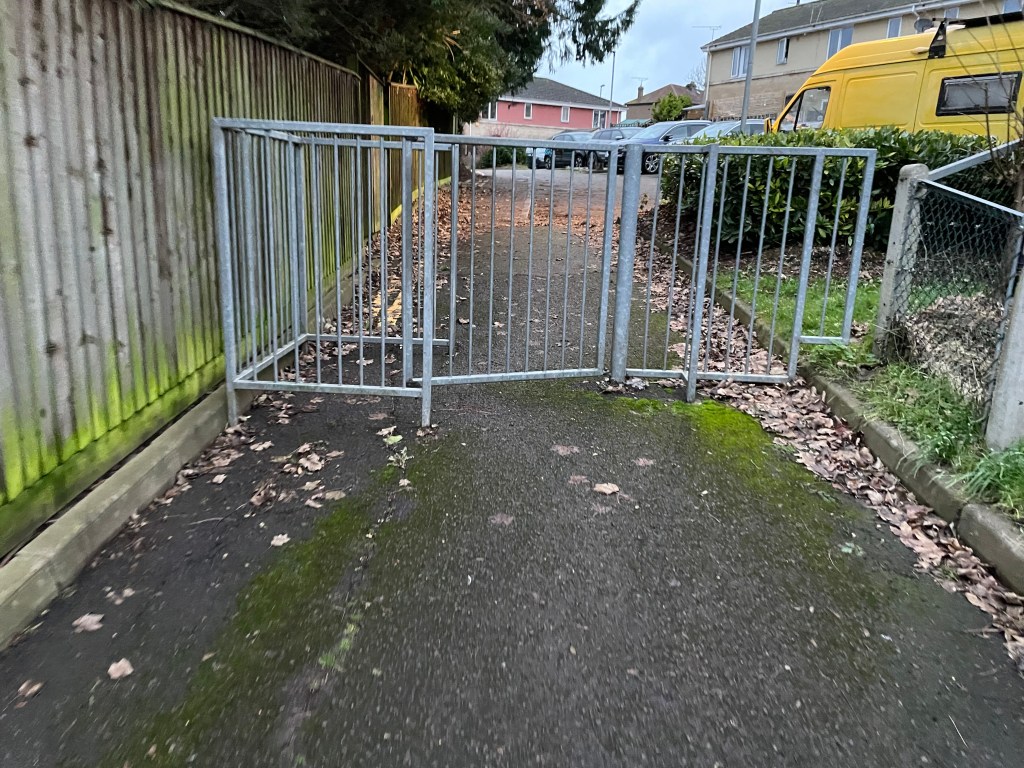
Left: Particularly in post war estates barriers have been installed which block the way for many. This is on the most direct route to a bus stop (Weston)
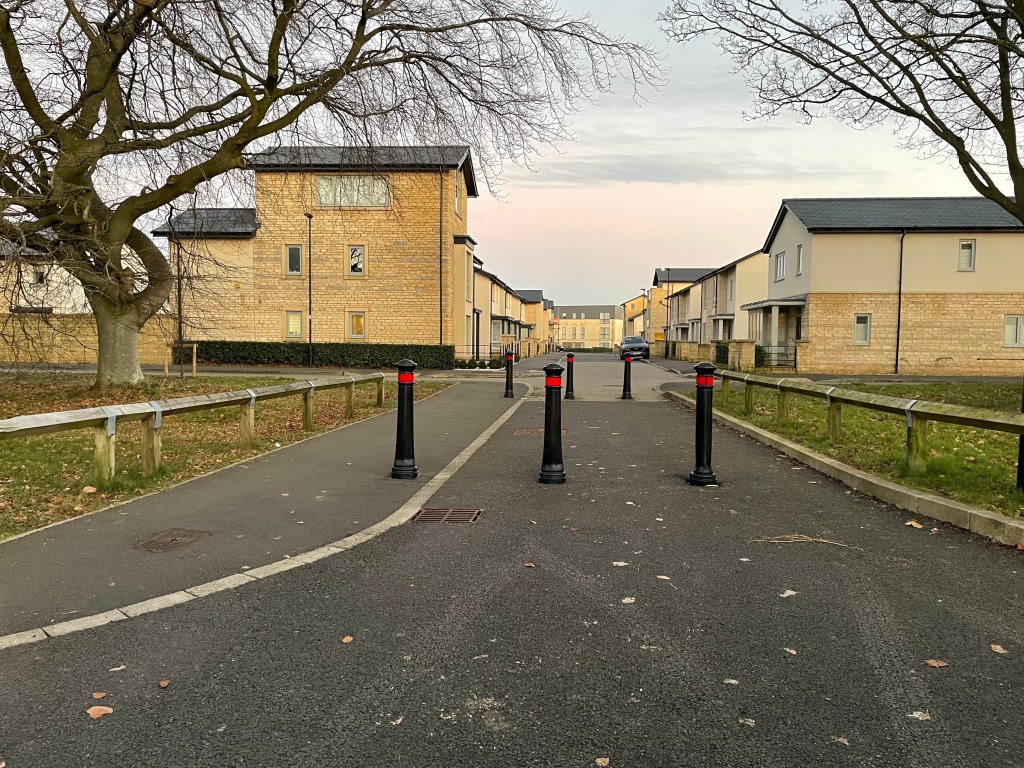
Right: Yet on more recent estates no one would dream of installing such a discriminatory arrangement. 1.5m spaced bollards are the maximum intervention (Ensleigh, Lansdown)

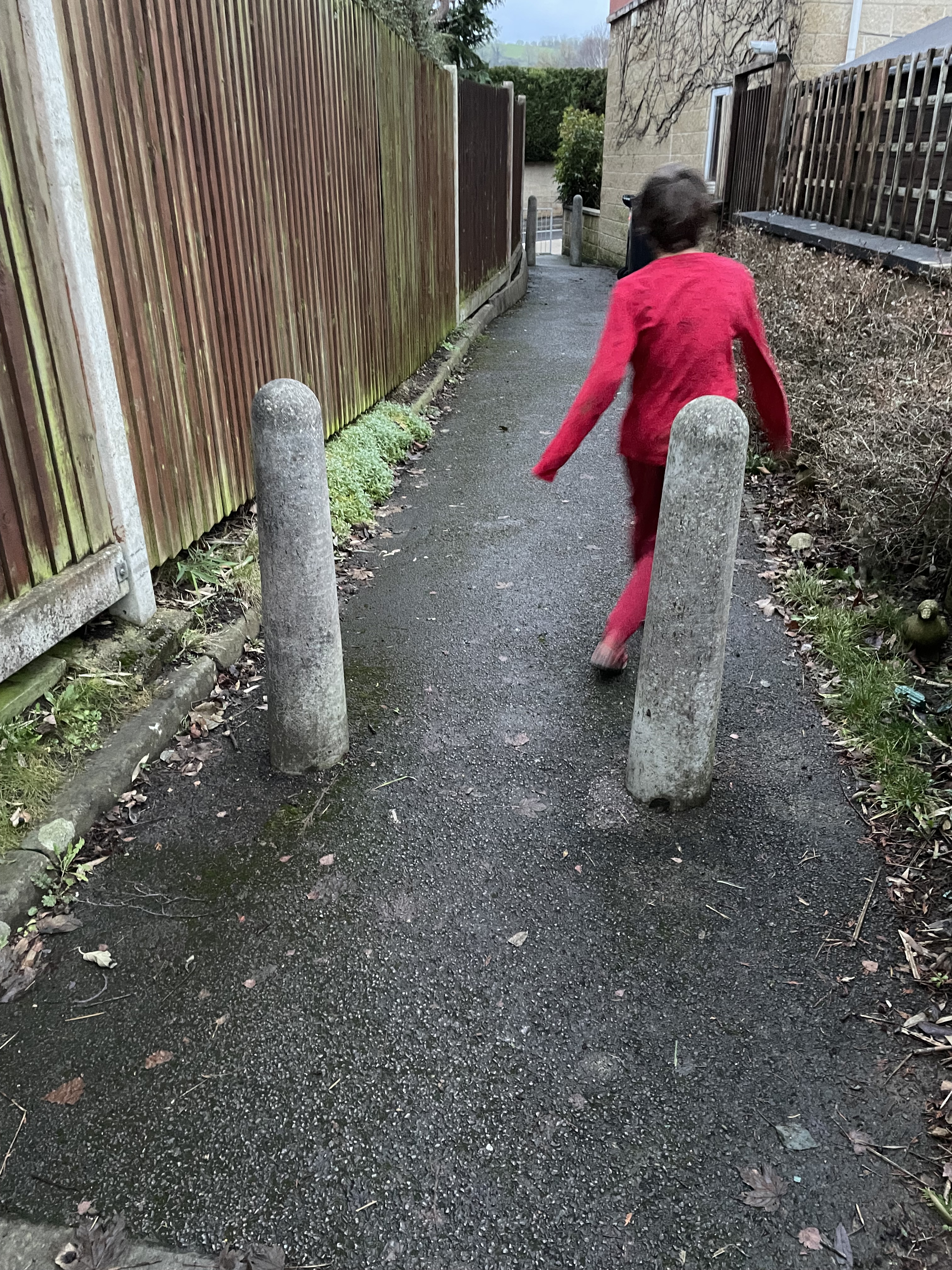
Left: That is not to say all old barriers are ‘bad’. More luck than judgement, but this jaunty pair are adequately spaced (Weston)
Right: But where luck did not prevail, some bollards are so tight that some pushchairs and most mobility scooters would not fit. And this it the direct route to a school! (Lansdown Lane, Weston)
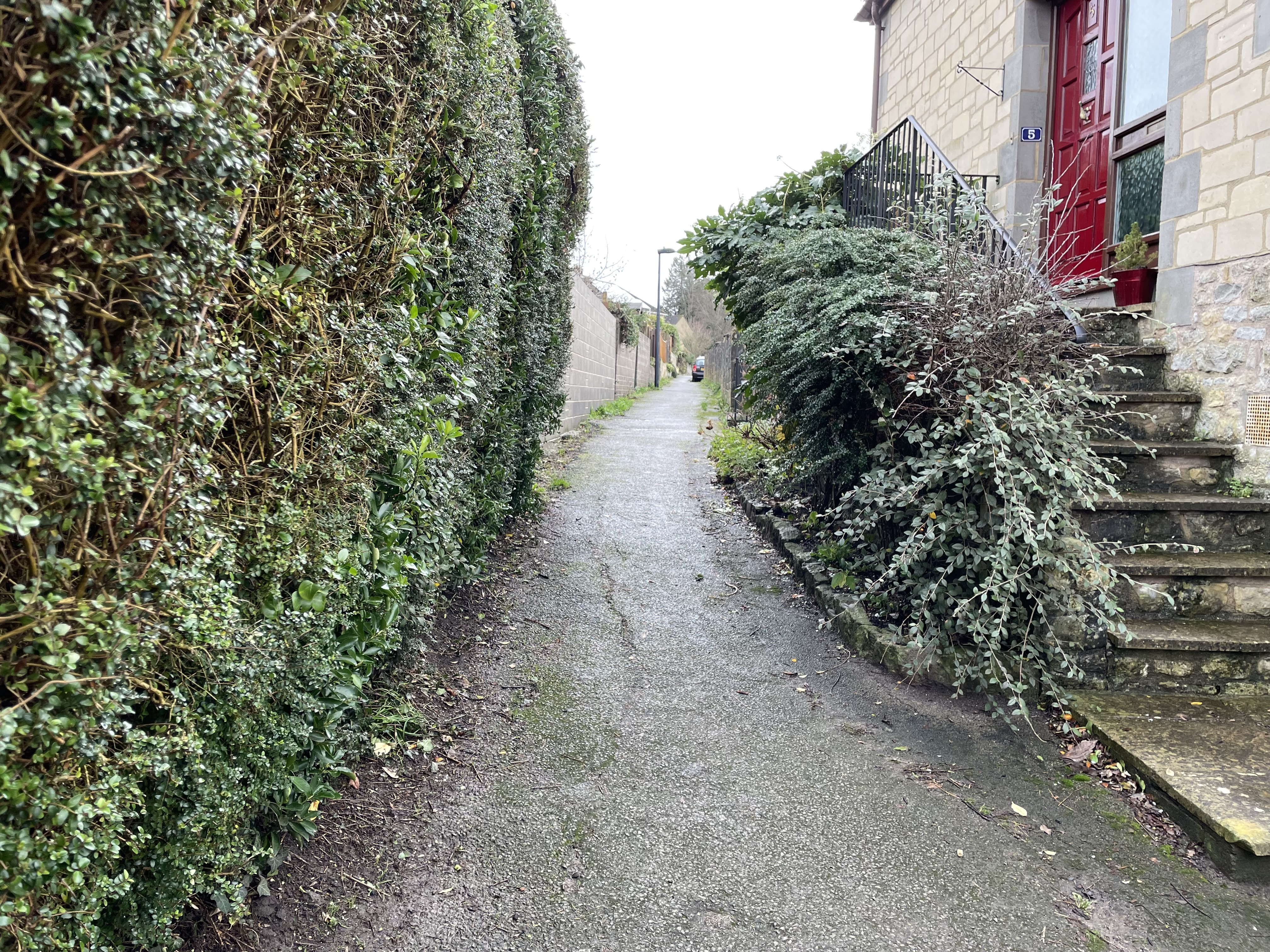
Left: It is not unusual to find wide paths with no barriers at all (Weston)
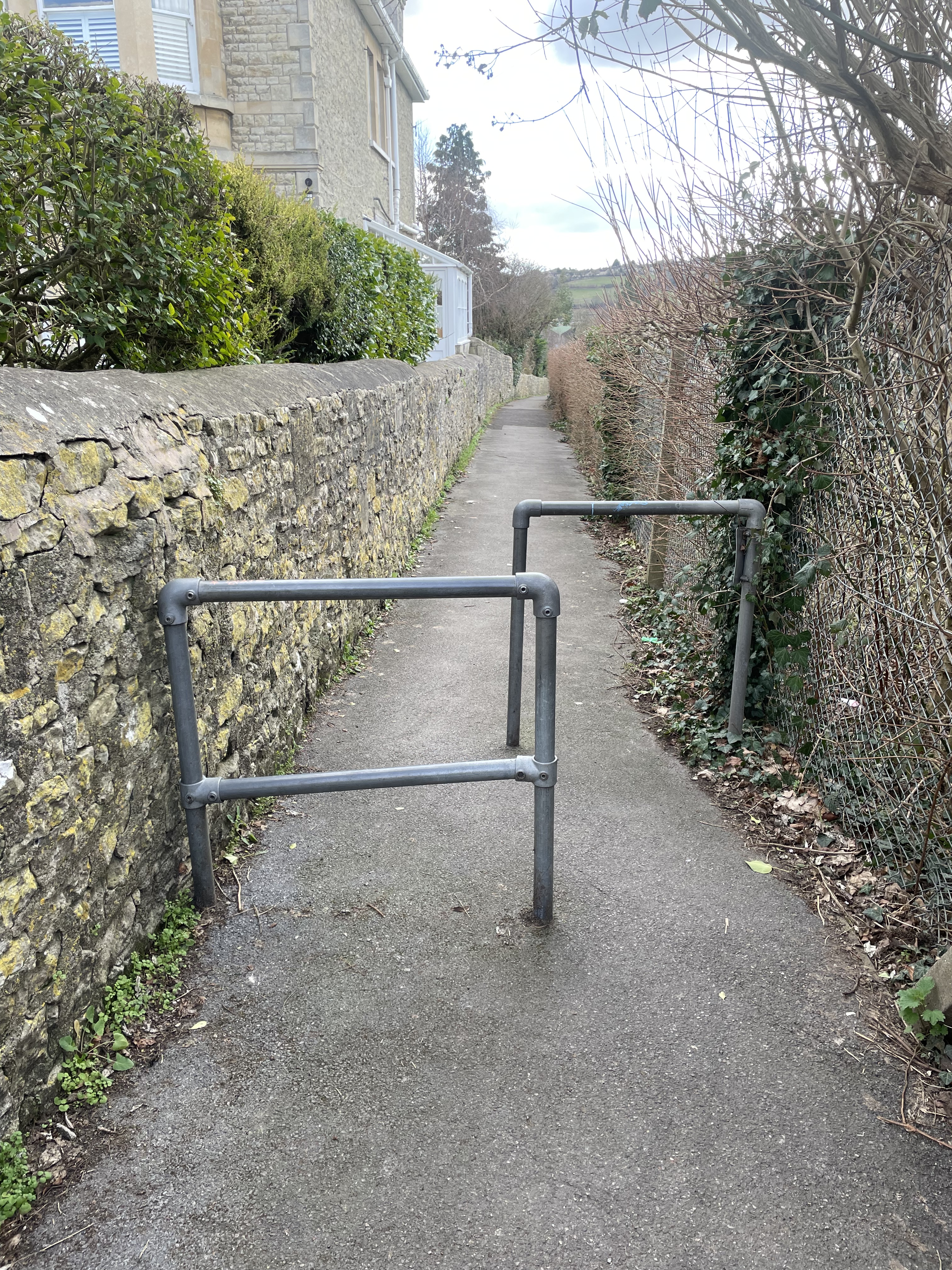
Right: Yet this narrow footpath connecting Weston to Newbridge get the full on anti-mobility scooter, anti-pushchair treatment (update- these have been removed 😀)


Left: North side of Fieldings Bridge (near Bath School of Art). No barriers at bridge access
Right: South side of same bridge. Massive chicane barriers that cause great congestion at what is the busiest pedestrian only bridge in this part of the city. Not to mention that it is a trap for someone on an adapted recumbent bike they use as a mobility aid.
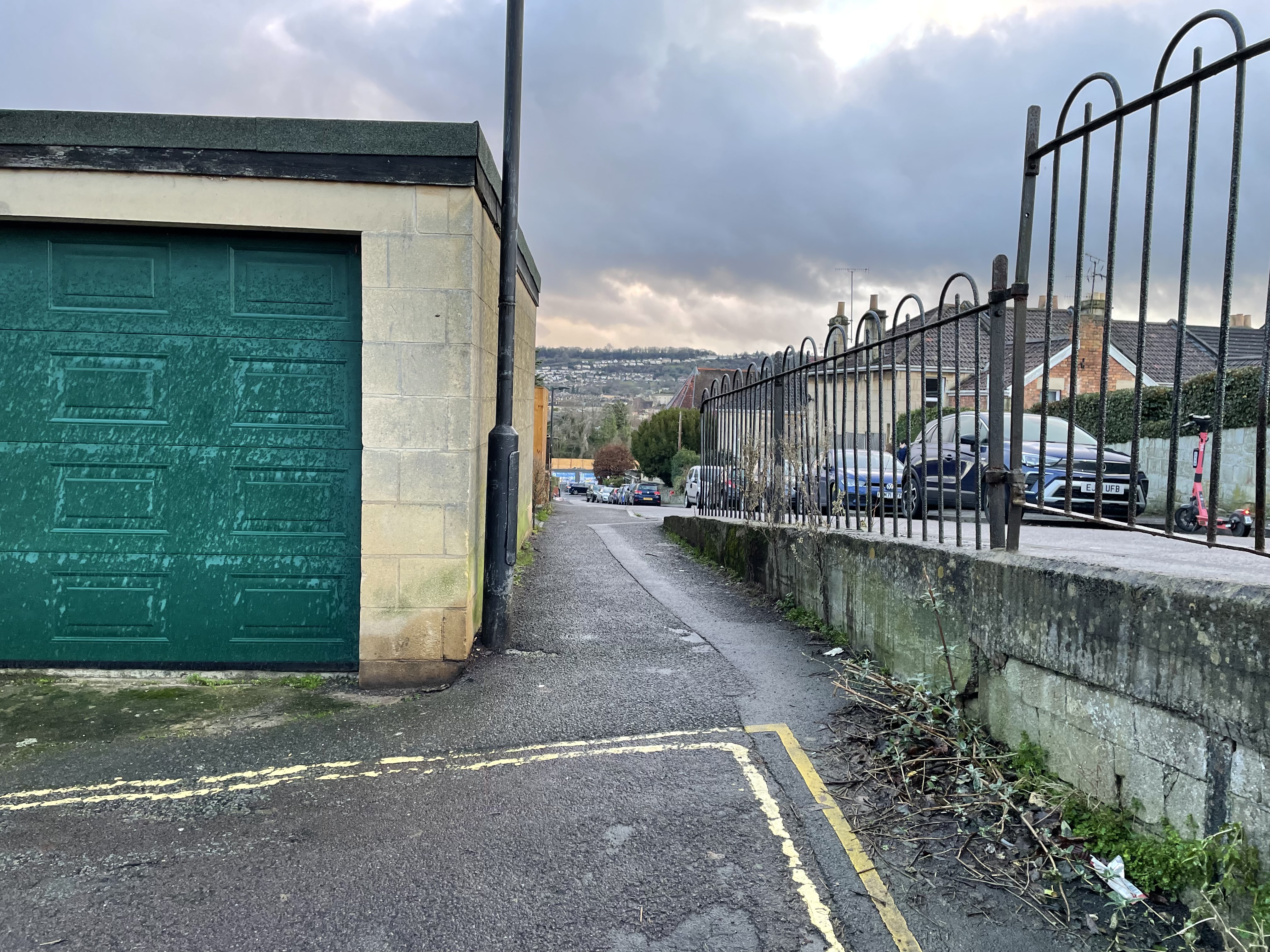
Left: There are dozens of little connection that knit our urban areas together. They need to enable everyone to get around and access local services without cars (Cork Terrace, Lower Weston)
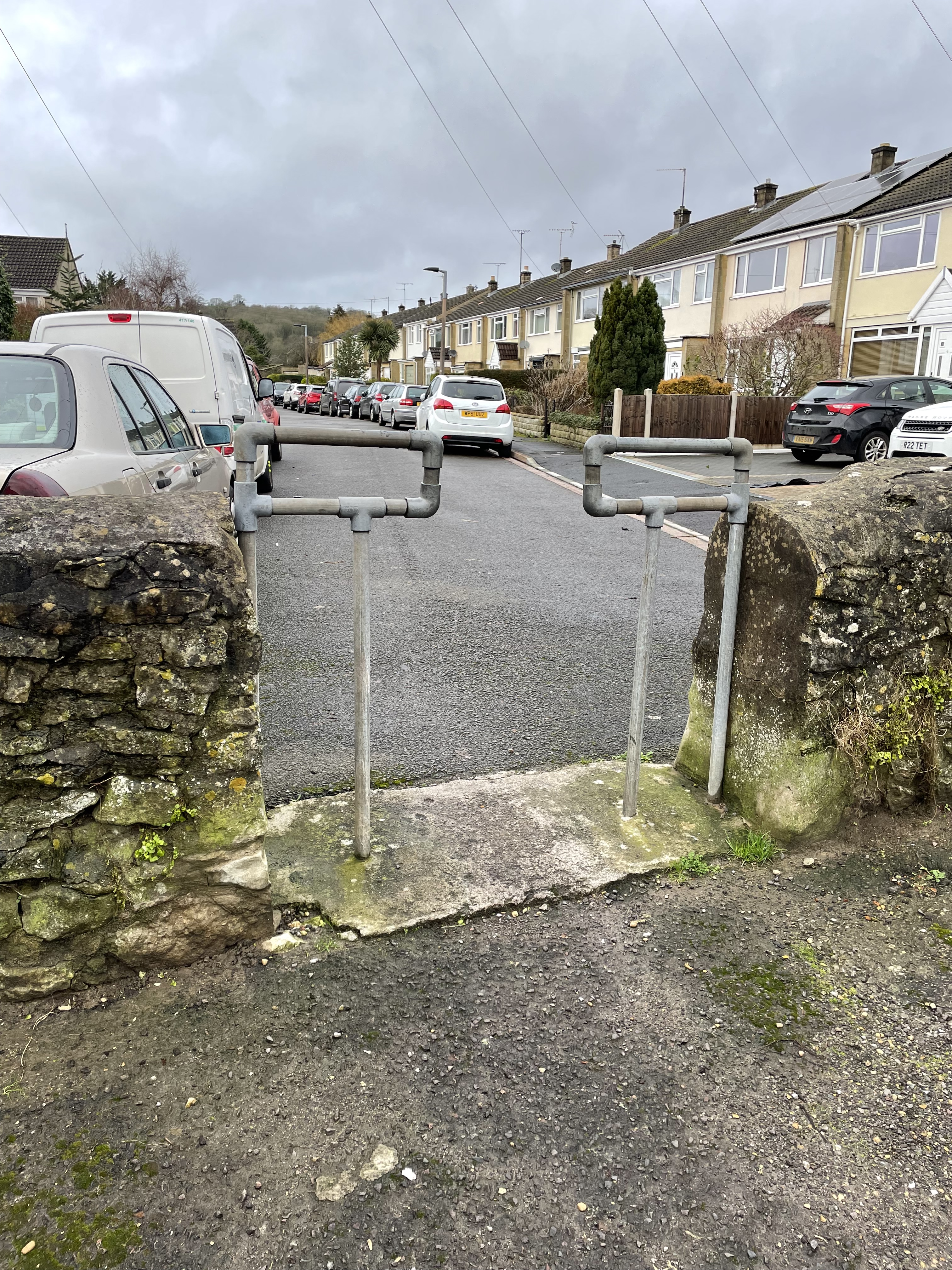
Right: Yet too often we find them blocked off- this is a particularly revolting example. So we seriously think it is ok for someone in a wheelchair to have to slot their head between a metal obstacle? In 2023? (Wellington Gardens, Weston)
(Blog plug: The above example is a reflection of how we overlook orbital routes in our planning, and are perhaps rather too focuses on routes in and out of city centres. This very disproportionately impacts on women… to find out more look at the ‘Mind the data gap‘ entry)
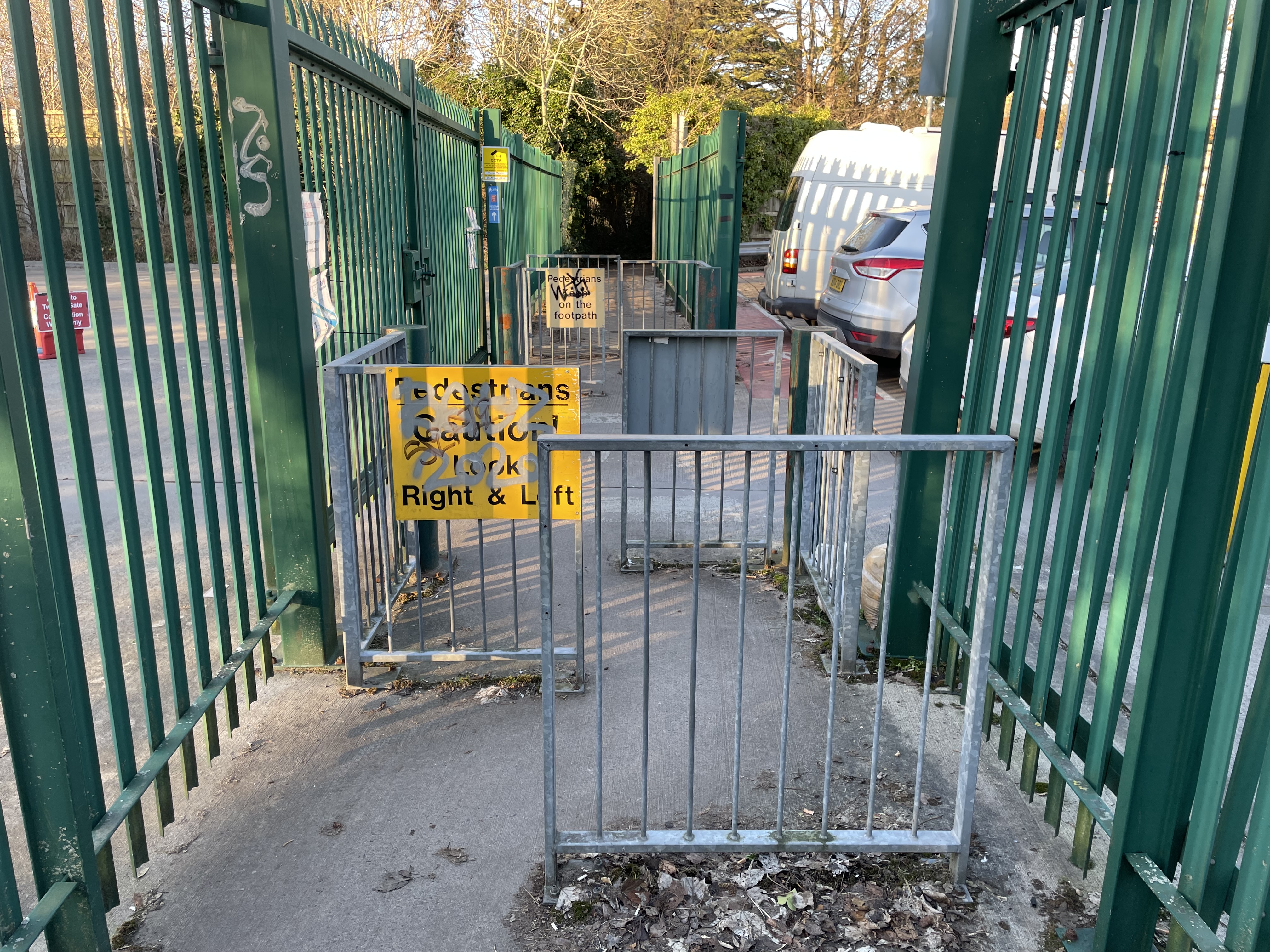
Above: At their very worst, barriers can cut off a whole area of the city. This set on Weston Island owned by first group are very difficult to negotiate…
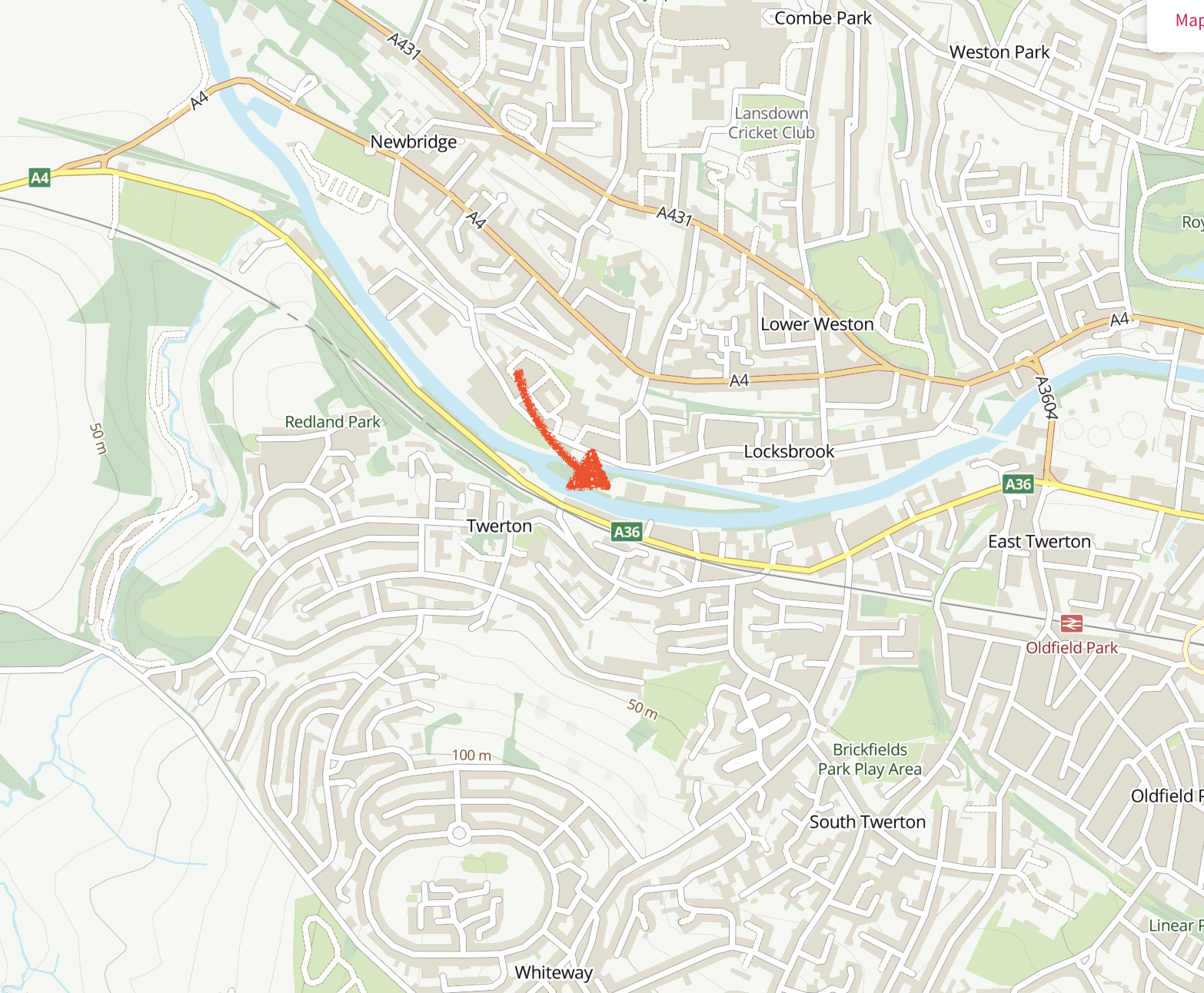
Above: …and when you see the geographic context you see what a big issue this is. For Twerton and Southdown this is the most direct route to the RUH, to schools on the north of the river, to the river path that runs on the north bank. Going the other way there are is a popular nursery in Twerton, the football club, Twerton High Street… Yet larger pushchairs and mobility scooters are excluded from the route. First Group have been approached about this matter.
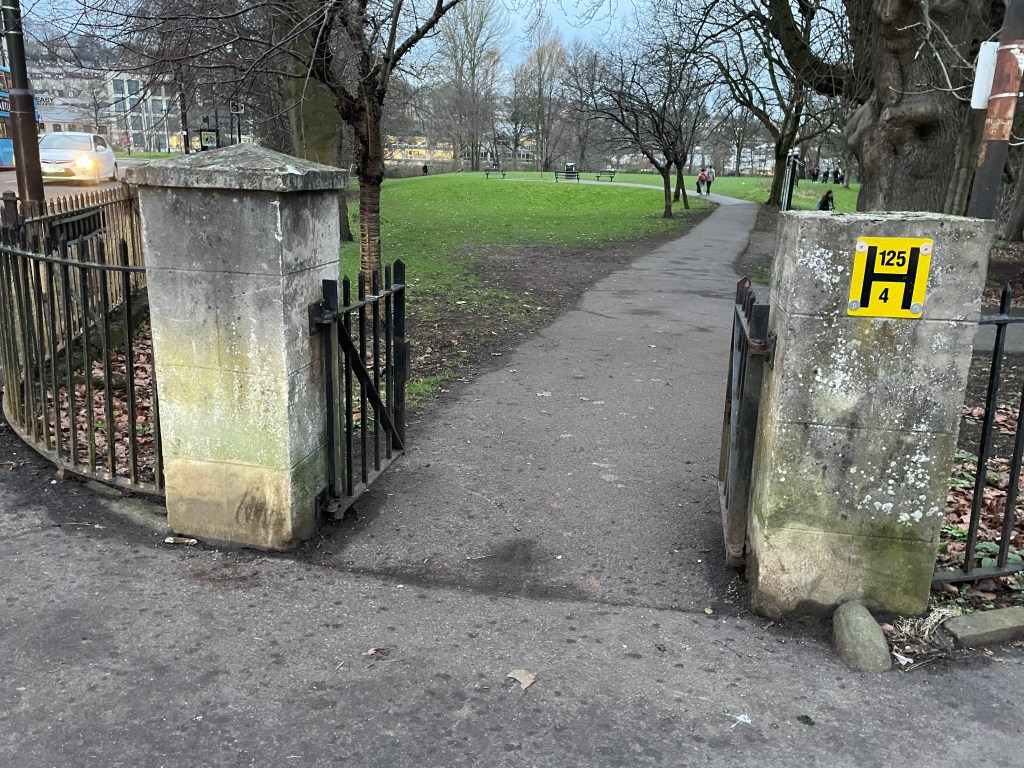
Left: Welcome one and all to Green Park
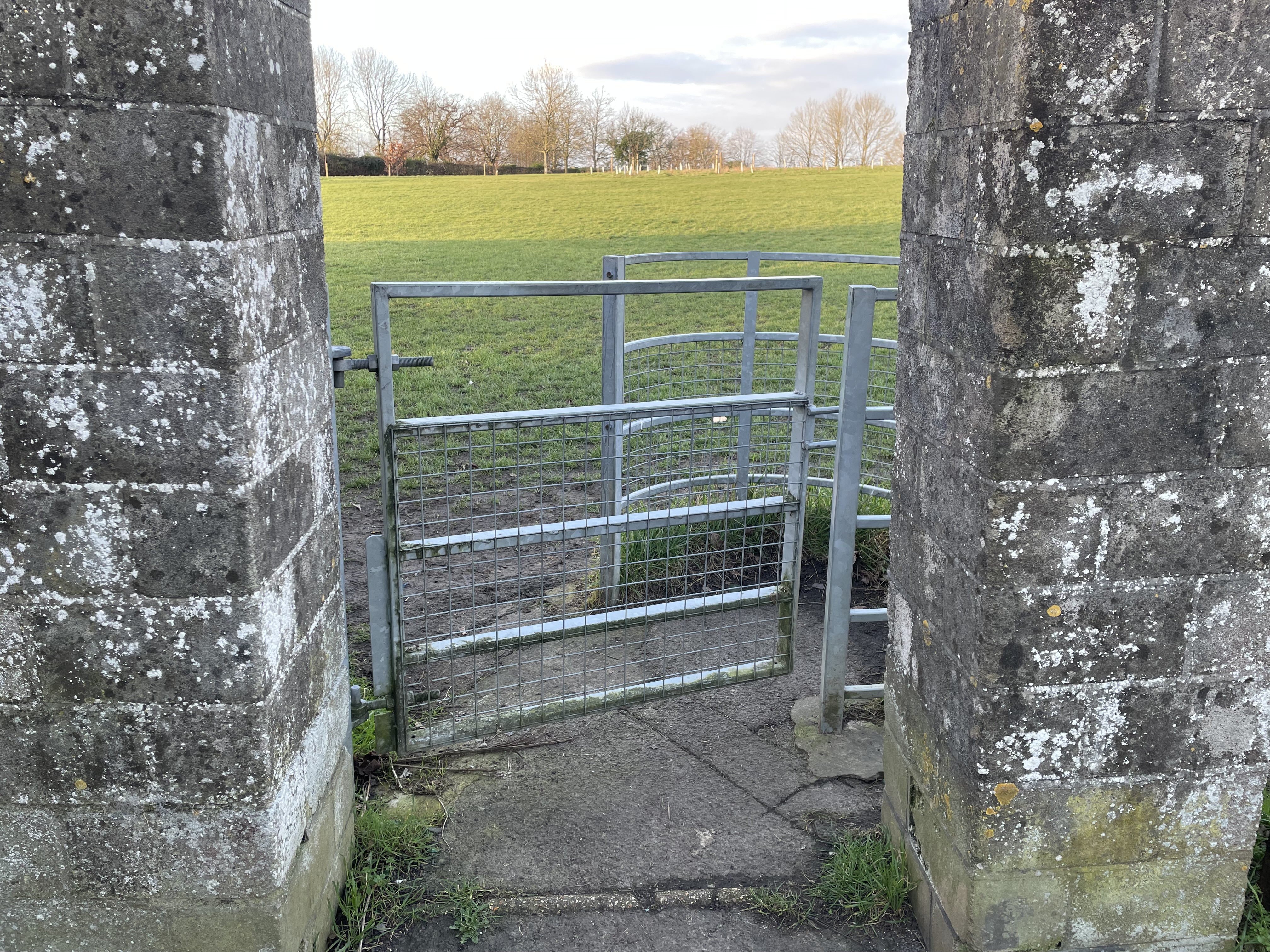
Right: Welcome to the Weston Rec… er…

Above: I am often told something along the lines of ‘barriers are essential to stop illegal behaviour’. This makes no sense- what it means in practice is the illegal behaviour of a few individuals (a Police matter) creates an everyday discrimination against hundreds of people going about their daily lives. And it is simply impossible to keep out illegal users anyway- I have seen an electric scrambler bike taken through a 6 foot turnstile gate. And in the case above, a quad bike taken through the sole ‘accessible’ gate of the 6 access points to this public area.
So why waste money on access controls that cost a lot of money to install and maintain?
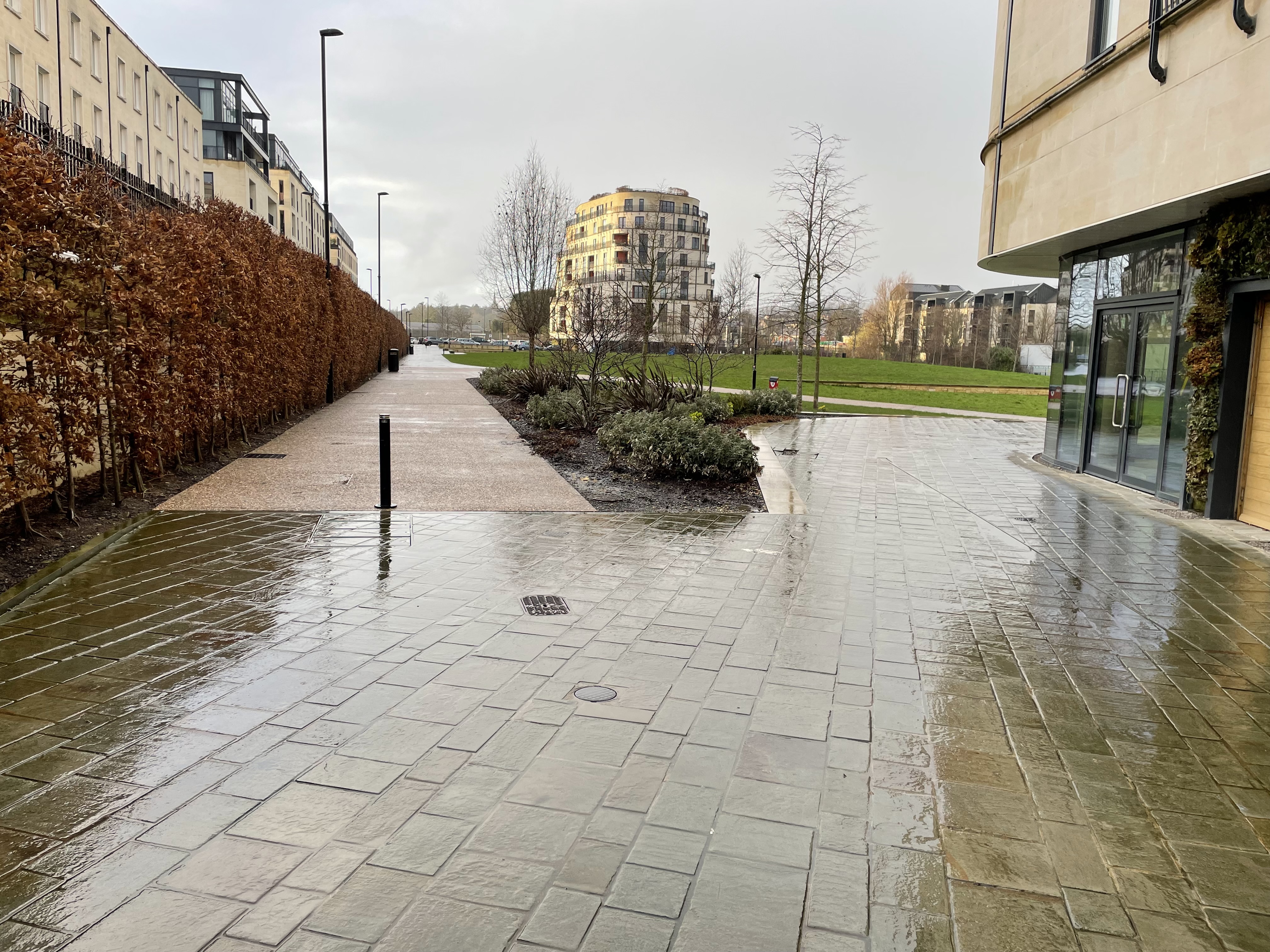
Above: Bath Riverside is a private development. The public have no right of access to Elizabeth Park (to my knowledge). Yet the access arrangements are excellent, a stark contrast to much of our publicly owned and maintained areas.

Above: And it is not as if we don’t know how to enable accessibility, as these bollards at Victoria Bridge show…
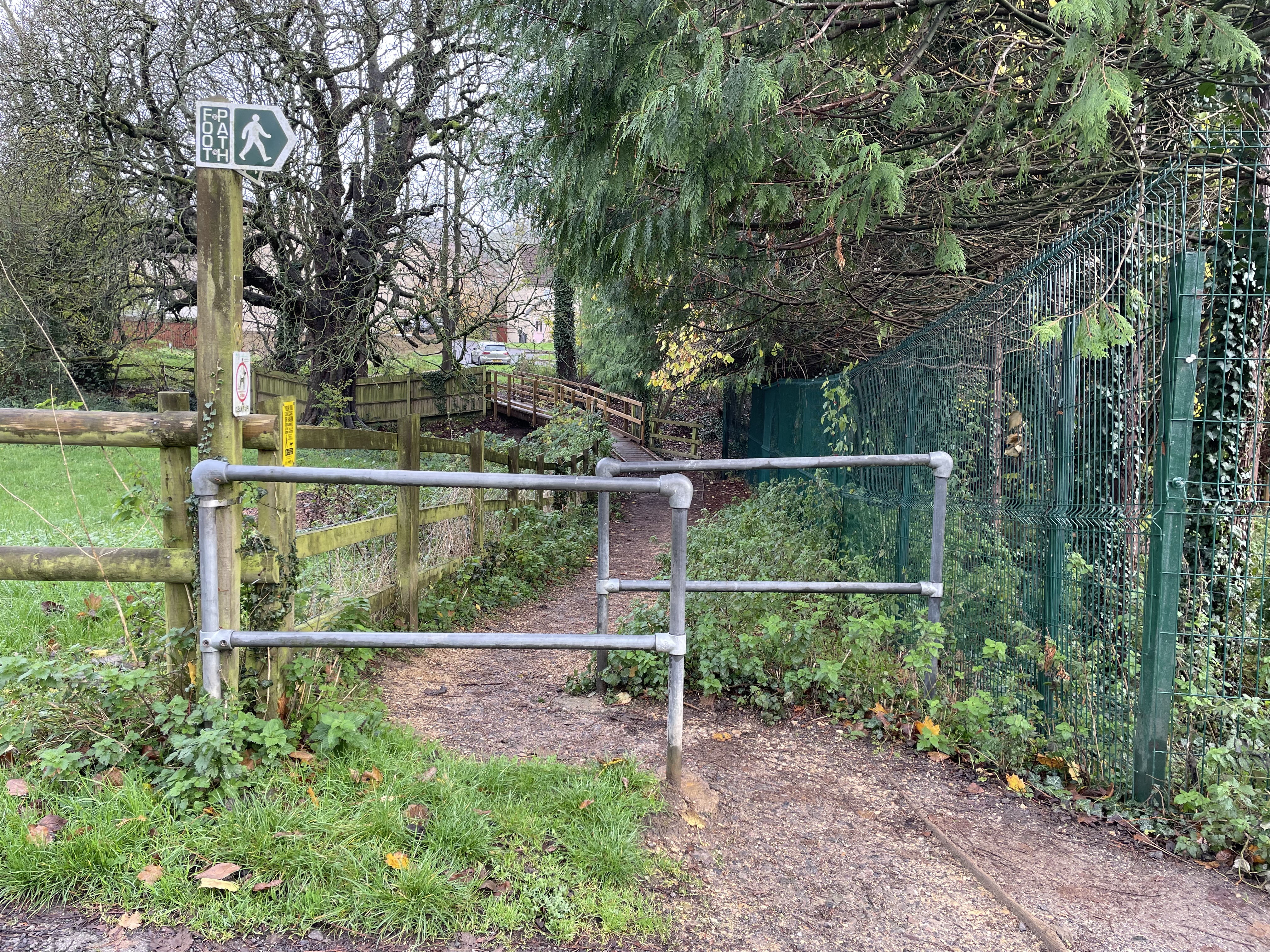
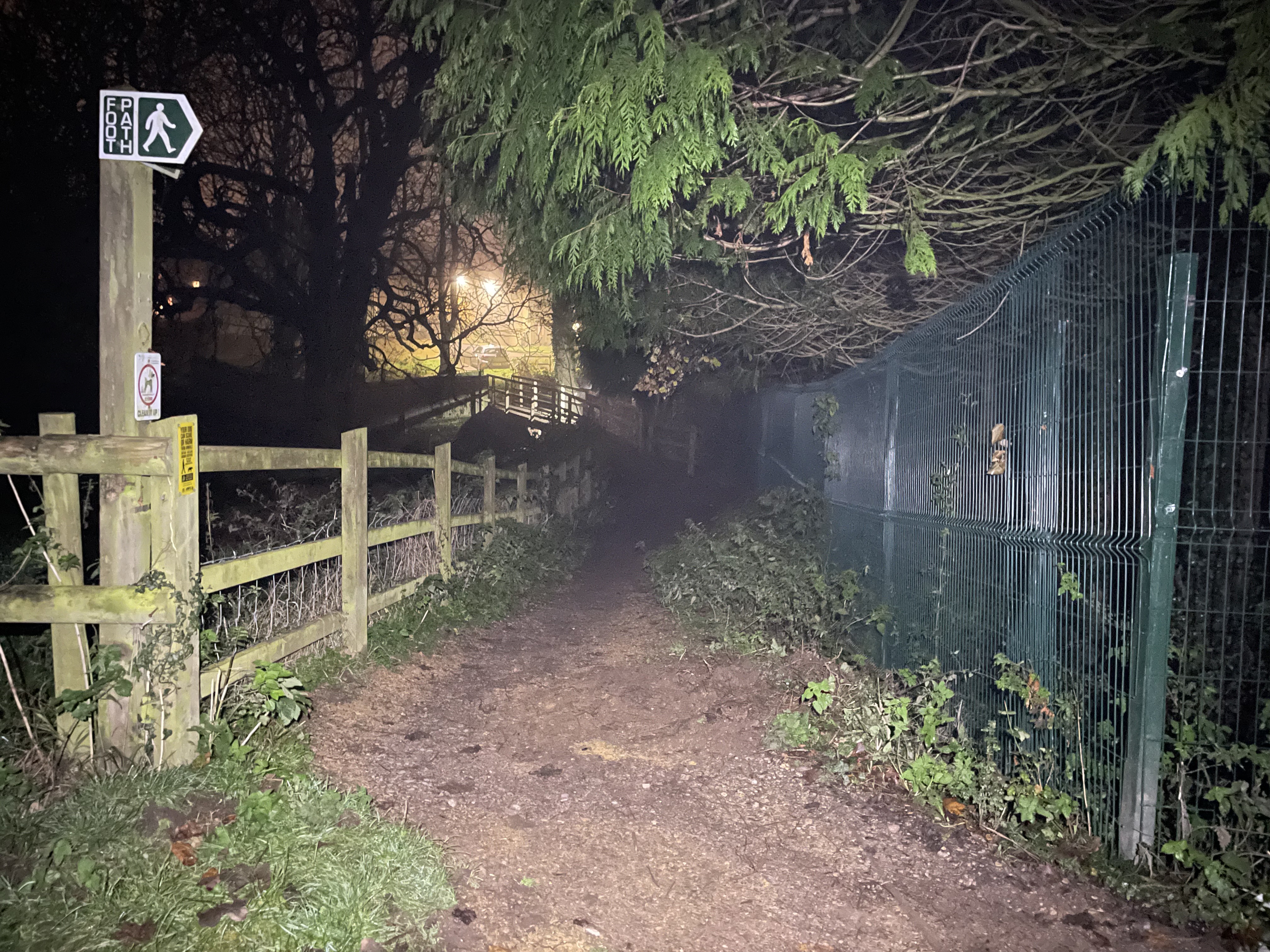
Above: …and some progress is being made on barriers, although it is agonisingly slow and being done on a case by case basis.

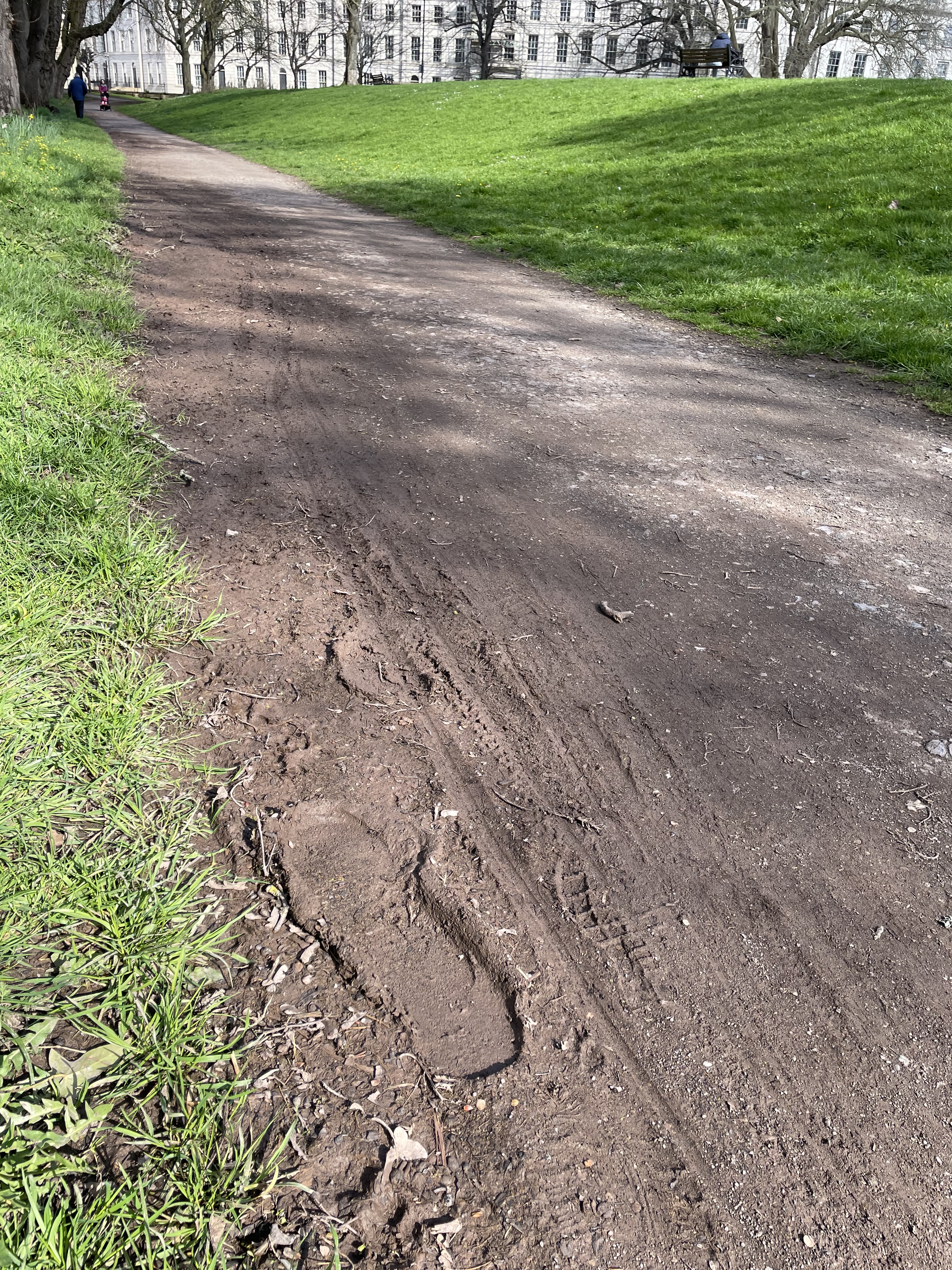
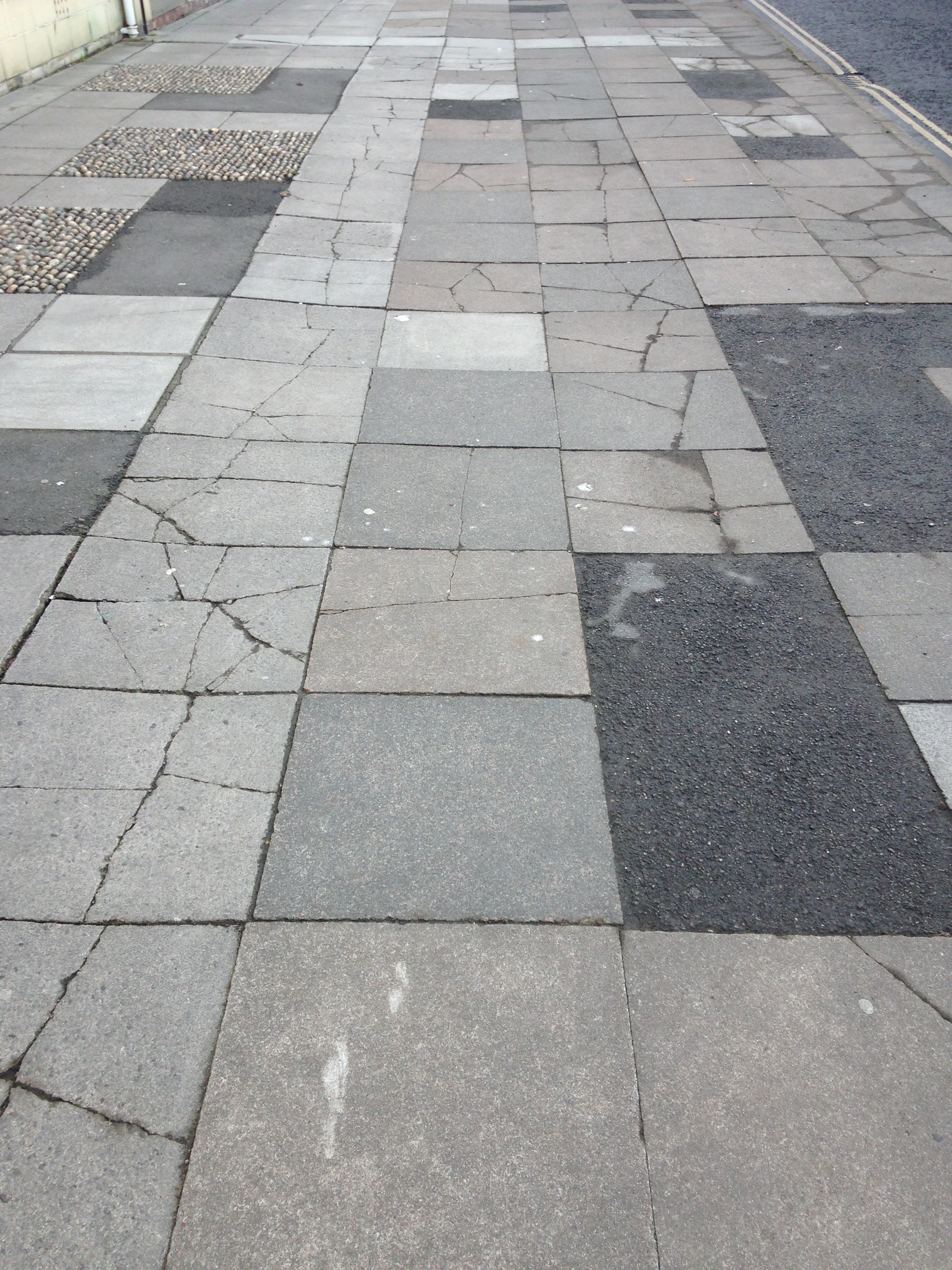
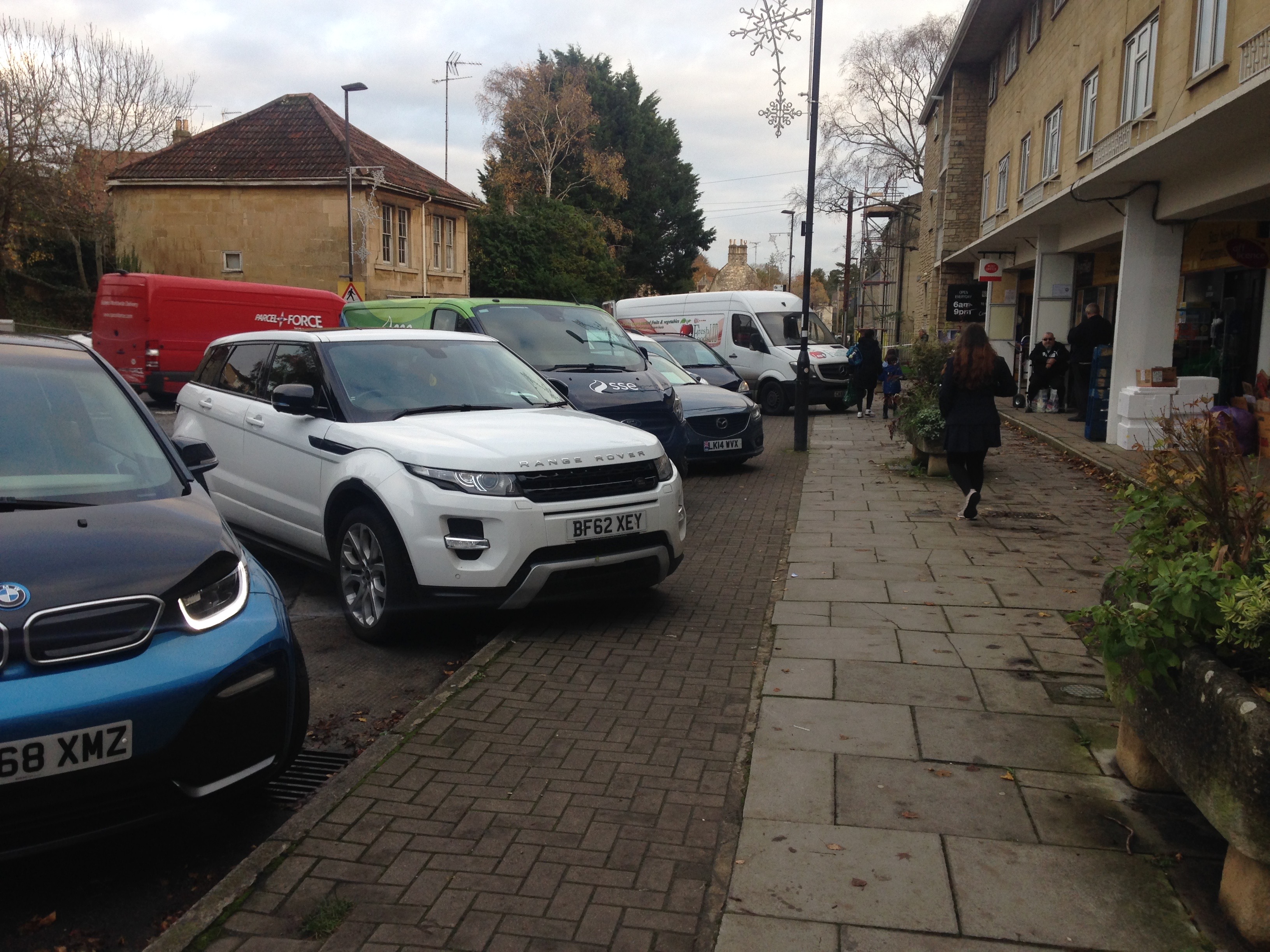

Above: and let’s not forget, barriers come in many forms, the condition of the surface being another notable problem. But that is for another blog!
Conclusion
‘Encourage’- a poster on a wall, a line in a policy document, an empty word in a speech
‘Enable’- actions speak louder than words- get out the angle grinder
Let’s see a lot more enabling please.
 walkridebath.org.uk
[…] This will ring true for anyone who has tried to navigate a pushchair or mobility scooter, particularly in the suburban areas of Bath where public rights of way have too often been made impassible by the installation of metal barriers. This is something I have previously blogged about. […]
LikeLike