
A recent report from Avon and Somerset Police has revealed a stark statistic: an average of two people per day were killed or seriously injured on roads across the region in 2025.
Let that sink in for a moment.
Two people, every day.
These are not just numbers on a spreadsheet. Each one is someone’s sister, brother, mum, dad, partner or friend. Behind every Killed or Seriously Injured (KSI) statistic is a family whose lives have been permanently changed.
I’ve attended several of the annual remembrance gatherings organised by RoadPeace South West. Standing alongside families who have lost loved ones in traffic collisions is a powerful and sobering experience. The grief is raw, the stories heartbreaking, and the message painfully clear: one moment of inattention, one risky decision, one preventable mistake can end a life.
A long way from Vision Zero
In November 2023, Bath and North East Somerset Council unanimously passed a Vision Zero motion, committing to eliminate road deaths and serious injuries by 2030.
Vision Zero is built on a simple principle: no loss of life on our roads is acceptable.
Across the wider Avon and Somerset Police policing area there were more than 700 people killed or seriously injured in 2025. Locally, the most recent confirmed figures published for Bath and North East Somerset Council show two people killed and ten seriously injured on the district’s roads in 2023.
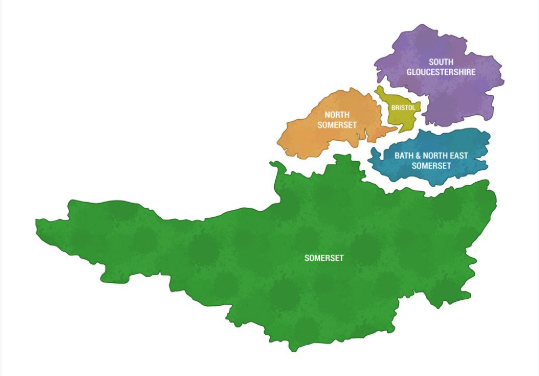
These figures can appear quite different, partly because they cover different geographical areas and may also use slightly different reporting timeframes and criteria for classifying KSIs (Killed or Seriously Injured). What they both underline, however, is that serious road collisions remain a real issue locally and across the wider region — and that achieving Vision Zero will require sustained effort and action.
Progress will require action across many fronts: safer street design, lower vehicle speeds, improved enforcement, education, and a transport system that makes walking, wheeling and cycling the easiest choices for short journeys.
The encouraging part of the report
There are positive aspects to the police report. One of the most important findings is that many of the most serious collisions are preventable — a point picked up in coverage by Bath Echo.
That matters.
For too long, road deaths have been described as “accidents”, a word that implies inevitability. But the reality is that most serious collisions involve identifiable risk factors: speed, distraction, poor road design, impaired driving, or dangerous manoeuvres.
Recognising that these tragedies are preventable is an essential step toward preventing them.
It’s also worth acknowledging that Avon and Somerset Police have made real progress in some areas. They are widely regarded as one of the best forces in the country for acting on video evidence submitted by road users (drivers, cyclists, and pedestrians), and their e-bike patrol teams have been a visible and effective presence on local streets.
These are positive steps toward making roads safer for everyone.
Why language matters
However, some of the language used in the report raises concerns.
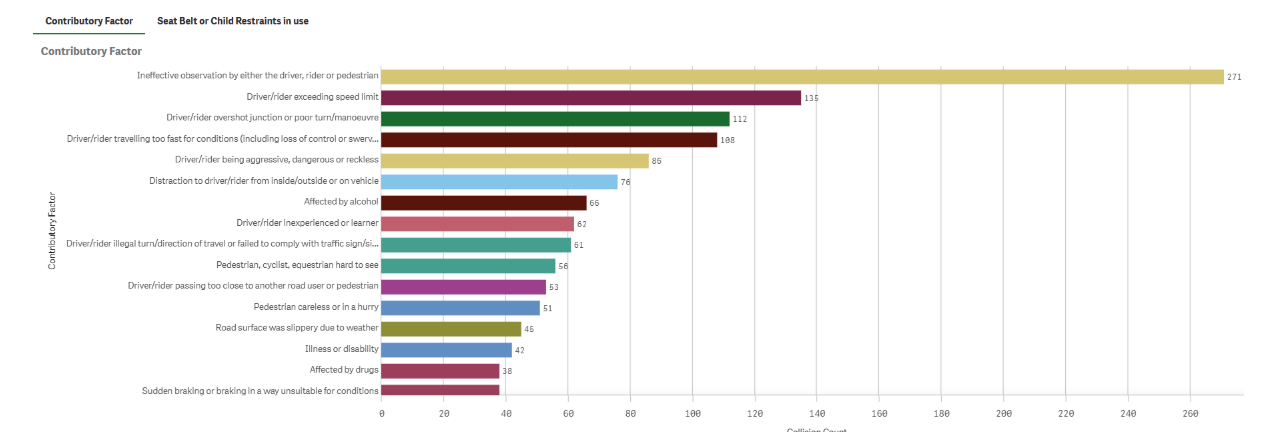
One chart describing factors in collisions includes categories such as:
- “Pedestrian, cyclist, equestrian hard to see”
- “Pedestrian careless or in a hurry”
- “Ineffective observation by either the driver, rider or pedestrian”
While these descriptions may come from standard reporting systems, they risk unintentionally shifting attention away from the behaviours and conditions that most often lead to serious harm.
Take “ineffective observation”. This category groups together drivers, riders and pedestrians, despite the fact that the overwhelming majority of serious harm in road collisions involves motor vehicles. Combining everyone into a single category can obscure the real patterns in the data.
Similarly, phrases like “pedestrian careless” can echo an outdated narrative that vulnerable road users are responsible for their own injuries, rather than recognising the inherent risks created by heavier, faster vehicles.
The hierarchy of road users
In 2022, the UK introduced an updated Hierarchy of Road Users within the Highway Code.
If we are serious about reducing road deaths, that principle should also shape how collisions are investigated, reported and discussed.
This hierarchy recognises that those who can cause the greatest harm bear the greatest responsibility to reduce danger. In practical terms, this means drivers of motor vehicles must take particular care around people walking, cycling or riding horses.
Turning data into action
The new figures from Avon and Somerset Police are an important reminder of the scale of the challenge we face.
Two people per day.
If we truly believe in Vision Zero, that statistic cannot become normalised.
Bath and North East Somerset is on its way to make progress: the first School Streets are being implemented this year, 20mph speed limits in many built up areas, and a Movement Strategy aiming to reduce congestion and emissions, and provide more travel choices.
The next step is ensuring that the way we analyse, report and talk about collisions reflects the principles of a safe-system approach — one where human life and safety come first.
Because behind every statistic is a person who should still be here today.
 walkridebath.org.uk