
We are on the cusp of something quite exciting in Bath- being the first English city to have a universal 20mph across the whole city.
Why is this a big deal? Well first and foremost, too many people are killed and injured on our roads. Bath has a relatively good record, and thankfully fatalities are rare, but we are still seeing people routinely injured in collisions. And these people are nearly always outside of vehicles- people walking to school, pushing pushchairs, crossing roads in wheelchairs, cycling to work, waiting at bus stops…

This is bad for those struck by people driving vehicles. But there is a bigger cost to health- if people are fearful to walk, wheel & cycle, they are unable to get the physical and mental benefits: of exercise, of encounters with people they know (or don’t!), of popping into a shop to buy something on impulse… essentially of interacting with their community.
So as institutions such as the RUH relentlessly seek to add car parking, the issue is two fold:
Firstly: it enables people to have a sedentary lifestyle by making it as easy as possible to park their usually single occupant vehicle
Second: it prevents other people who might like to travel without a car from doing so, as the roads in Bath are busy with potentially very dangerous machines driven by people of extremely variable competence.
This ‘opportunity cost’ is something that often gets overlooked with people obsessing on issues such as tailpipe emissions or the carbon footprint of different modes of travel.
‘Vision Zero‘ seeks to eliminate fatalities and minimise injury on our roads. This ‘systems’ approach has been successfully used for some time in industry, notably in aviation but also in the railways and in construction. In 2023 B&NES councillors voted universally to support Vision Zero.
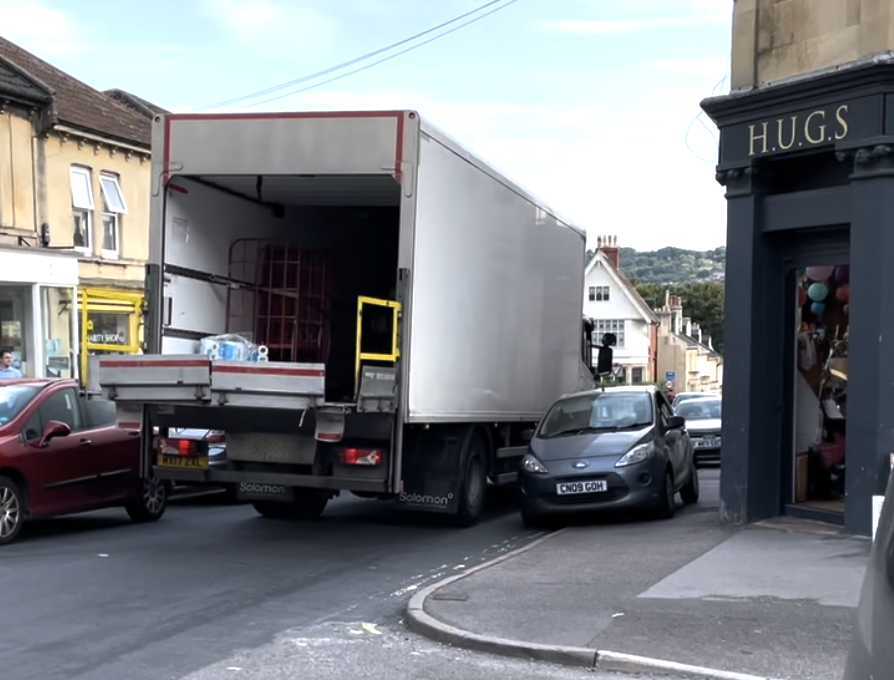
A central plank is accepting that humans will make mistakes (see images below), and thus we should create an environment which minimises the consequences of those mistakes. And anyone who drives and claims to have never make an error (such as failing to pay full attention at all times) is showing a supreme lack of self awareness. Although, most drivers when asked rate themselves as ‘above average’ which is a statistical impossibility!


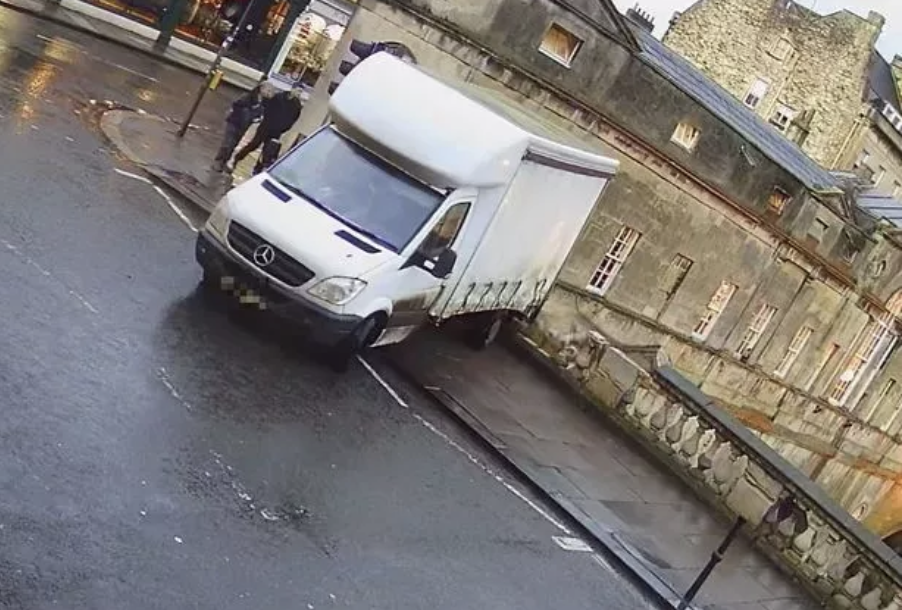

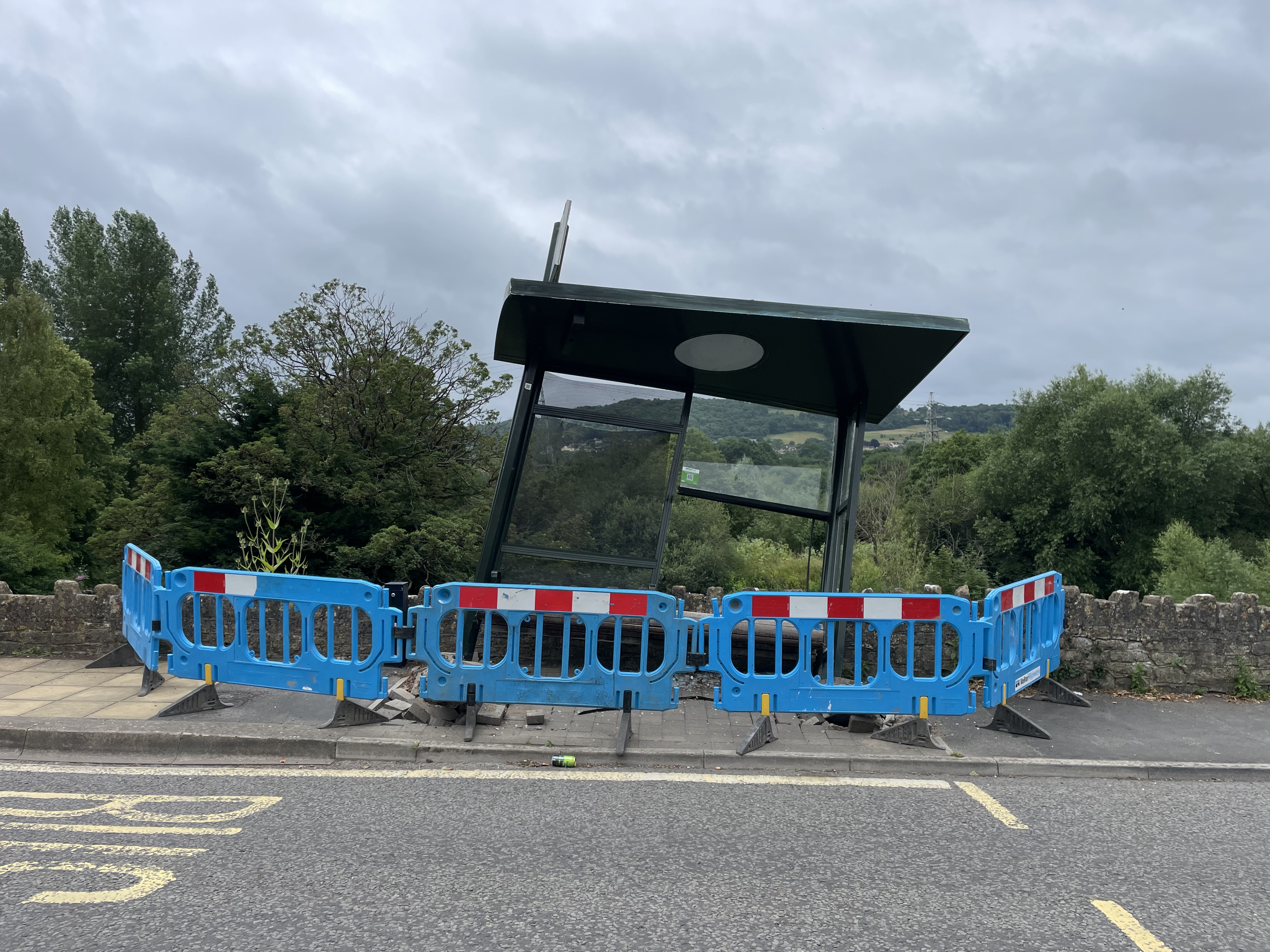


This is where 20mph comes in. When compared to 30mph, the reduction in consequence is just staggering. People going slower are more likely to avoid collisions in the first place, with more time to react and a shorter stopping distance. When they do collide with things, they take far less energy into the collision, so the severity is likely to be less. People far clever (and more scientific) than me have researched this extensively. And in the largest application of 20mph in Wales (the well known ‘blanket’ 20mph 🙄) the benefits have been staggering. They include but are not limited to:
- Fewer collisions
- Fewer serious and fatal incidents
- Improved air quality
- Reduced engine and tyre noise
- Reduced cost to councils (eg. through reduced repair bills to damaged infrastructure and reduced need to provide & light road signs)
- Reduced use of expensive traffic light crossings with zebra crossings being sufficient
- Reduced cost to drivers (through reduced insurance bills)
You may ask why we even adopted 30mph in the first place? Well, it is far from clear to be honest, but there was certainly little science involved. In fact, from 1903 – 1935 the urban limit WAS 20mph! The 50% increase in 1935 was frankly pulled out of a hat, and we have been struggling to put that rabbit back in the bottle ever since (excuse mixed metaphors).
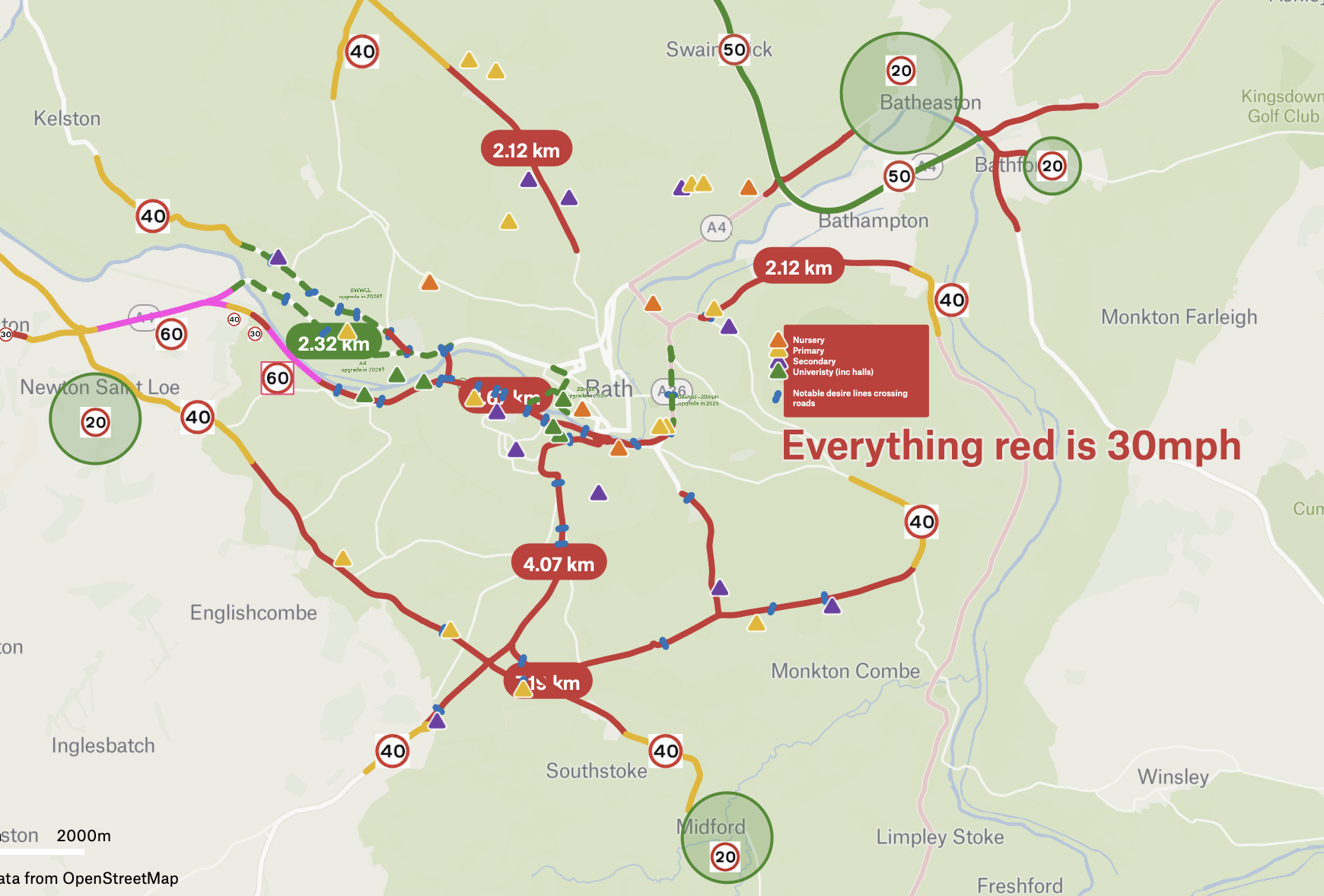
There are around 30km of 30mph left in Bath. These are places with homes, schools, shops, pedestrians, cyclists, children… because this is a city! People are everywhere in our city at all times of day. Shift workers are travelling very late and early in the day & night, and children exist everywhere- not just outside schools. We should be seeking to minimise the risk to all those outside vehicles from vehicle drivers, drivers who will inevitably make mistakes (or indeed, ‘fall ill’ at the wheel). The harm is almost exclusively one way. It is vehicle drivers that kill and injure. As a comparison, being killed by someone on a cycle is up there with being trampled by a cow or struck by lightning.
One odd juxtaposition we have drifted into now is that every conurbation around Bath seems to be demanding 20mph is implemented: Batheaston, Bathford, Newton St Loe, Peasedown… even places on busy A-Roads such as Midford and High Littleton. And yet places such as Lower Bristol Road which is bustling with students given the number of halls there, or Bear Flat where hundreds of people seek to cross the Wellsway (A367) every day are still posted at a relatively dangerous 30mph. There is even a brief (750 metre) stretch of 60mph in Twerton leading straight into an area dominated by student halls (A36 at Twerton Mill). Why is the safety of pedestrians in these areas being so neglected?


The issue of enforcement comes up whenever 20mph is mentioned, so 2 points on this. Firstly, Avon and Somerset Police (ASP) are taking an increasing firm line on speeding, one of the ‘fatal five’. This includes rolling out unmarked speed camera vehicles and the use of AI cameras. Chief Inspector Robert Cheeseman commented in October:
Speeding is one of the leading causes of fatal and serious injury collisions, and we are committed to using every tool at our disposal to address this
Below is a video ASP produced- excessive speed is 2nd in the list of the ‘fatal five’.
Secondly, as of July 2024 speed limiters are fitted to all new motor vehicles, and on business vehicles in particular speeding is generally not tolerated. Ever noticed how diligent the driving of supermarket home delivery vehicles is? There is a good reason for that! I predict speeding in business vehicles will soon be seen a type of corporate negligence- it will only take one legal case. Providing machinery which can readily be used illegally and unacceptably increase harm to others will soon be seen in the same light as providing machinery in a workshop with missing safety guards ie. negligent.
And to be blunt, the direct of travel is crystal clear. 20mph will become the default speed for all areas with street lights throughout the UK. The baseline is already shifting down and 20mph is becoming normalised. This is about Bath being the leader of the pack and showing other cities it can be done. The spiritual home of dockside cranes, the actual home of plasticine, and the first city to fully implement a key element of Vision Zero.
So a direct appeal to our councillors and council leadership- let’s embrace the accolade and health benefits of being the first 20mph city in England.
 walkridebath.org.uk
Please can I ask for a spotlight on the dangerous stretch between Midford and Bradford Road? So dangerous!
LikeLike