
The full business case for Liveable Neighbourhoods (LNs) has been accepted by WECA (despite reservations expressed here). Put simply, it means BANES now have the money to crack on with the programme.
The most exciting bits are also those done at scale, so:
- Pultney Estate
- Camden Road / Snow Hill
- Lansdown & Circus
You don’t need extensive research to see the challenges motor vehicle through traffic bring to places like the Circus, Cavendish Road, Camden or the through roads of the Putney Estate. We look forward to the opportunities that unfold when through traffic is removed, and people are suddenly give safe access to affordable low carbon travel options such as walking and cycling.
None of this can come soon enough to be honest. In the past month on Bath’s roads we have had one death and one very serious collision between a pedestrian and someone driving a car on Mount Road. The toll of motor vehicle crashes is relentless and tragic- below a selection of recent crashes all taken within proposed LN areas. Crashes are swept away so quickly and efficiently they seem to fade from our minds far too quickly- the human consequences last a lot longer.
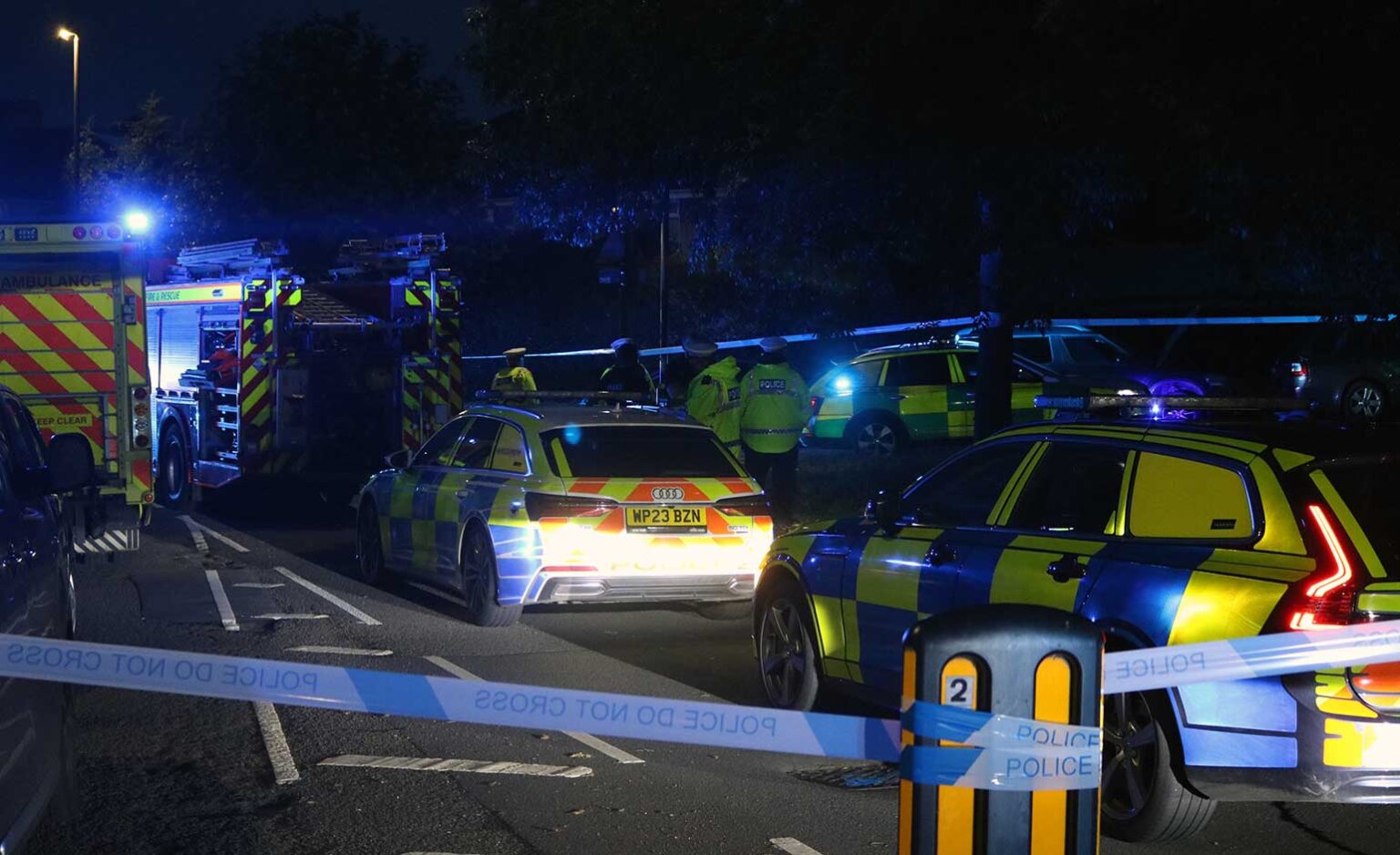

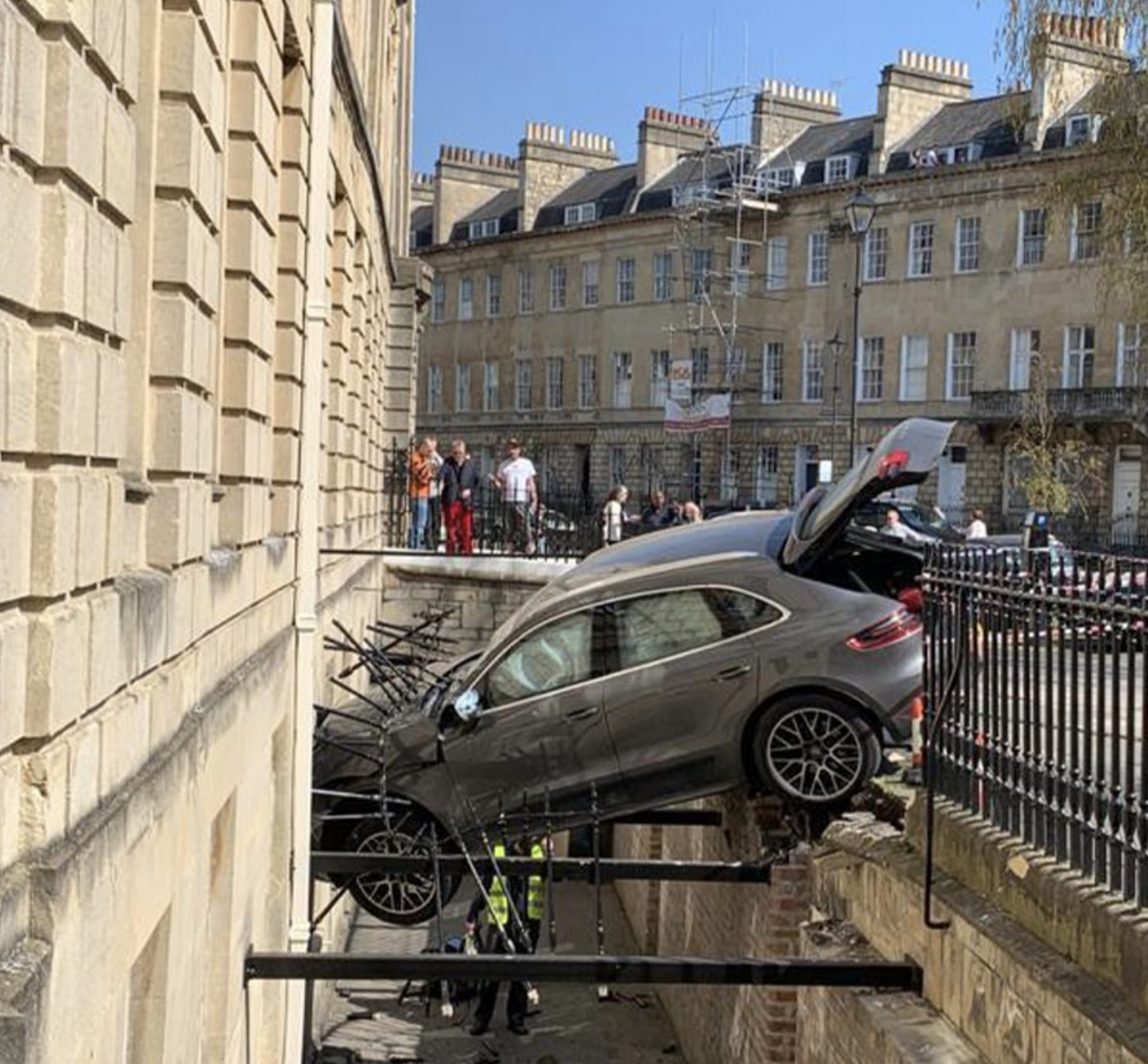


Express your support for current LNs and safer streets for everyone
The first 6 months of the Sydney Place/Road LN is nearly up, which means the initial consultation period for the traffic order (an Experimental Traffic Order) is nearly at an end.
So have your say, good or bad. The best feedback in our view is constructive in nature. So for instance, WRB would like to see a new crossing on Beckford Road to connect Sydney Gardens to the canal tow path, creating safe new routes and growing the active travel network. You may well have your own ideas. Put them forward here! You only have until the END OF THURSDAY 3RD OCTOBER!

Public Rights of Way consultations for Scholars Way
The first very tentative steps are being taken to enable the Scholars Way project to take shape. It may sound slightly odd, but some footpaths will upgraded to bridleways. This is because people can cycle on bridleways, thus it can be signed as a ‘shared use’ path. It is highly unlikely there will be a sudden upsurge in equestrians on these routes, although having said that people on horseback make frequent use of Southlands LN at weekends!
The first footpath upgrade will be at Hansford Close on the path connecting to Midford Road. Perhaps the most exciting thing is it will mean the removal of another chicane barrier, the most pernicious type of access control that we have waged a war on for years now.
It would be great to see this approach more generally- there are dozens of similar paths that should be open to all including mobility scooter users, disabled users of adapted cycles and people who simply cannot ‘get off and push’ because of a mobility impairment.
Folly of 30mph roads continues
The folly of 30mph roads in Bath continues. As village after village throughout Banes demand 20mph to reduce the danger from road vehicles, substantial lengths of 30mph roads remain in Bath where every road is a place people live, work, walk, wheel and cycle. (There is even a short 60mph on Lower Bristol Road- a location someone was killed and more recently several people were hospitalised).
In the last few weeks alone:
A bus smashed into a bridge on the Lower Bristol Road.
How could the severity of these incidents been lessened by reducing the speed and thus energy of the impact? If speeds were slower and people had more time to react, could they have been avoided entirely?


Humans make mistakes. Vision Zero is about accepting that and taking steps to lessen the consequences. 30mph is the wrong speed limit for any urban area. Wales has shown conclusively how lower speeds save lives. Let’s copy with pride and get on with finishing the job of making a 20mph city- a first for England.
Conclusion- Eliminate the hazard
The first step when presented with a hazard is to try and eliminate it. That is why LNs have been so phenomenally successful at reducing road danger from motor vehicles- they massively reduce the number of them. Nothing else can deliver the same outcomes for very low investment.
The next step is to introduce controls- in the case of road the speed limit is a key control. We know this. We know 20mph works.
A Liveable City. We are so close.

 walkridebath.org.uk