
A question comes up from time to time and it goes something like this:
“Why does Bath Uni churn out world leading research into climate emergency, yet every weekday welcomes 2000+ largely single occupancy vehicles onto its site?“
Similarly, the RUH sees on a daily basis the impact of road crashes, sedentary lifestyle and poor air quality. So naturally people wonder:
“Why, with all the health disbenefits of driving, are the RUH appearing to expand their staff parking provision by reallocating contractor parking from the Dyson centre build?”
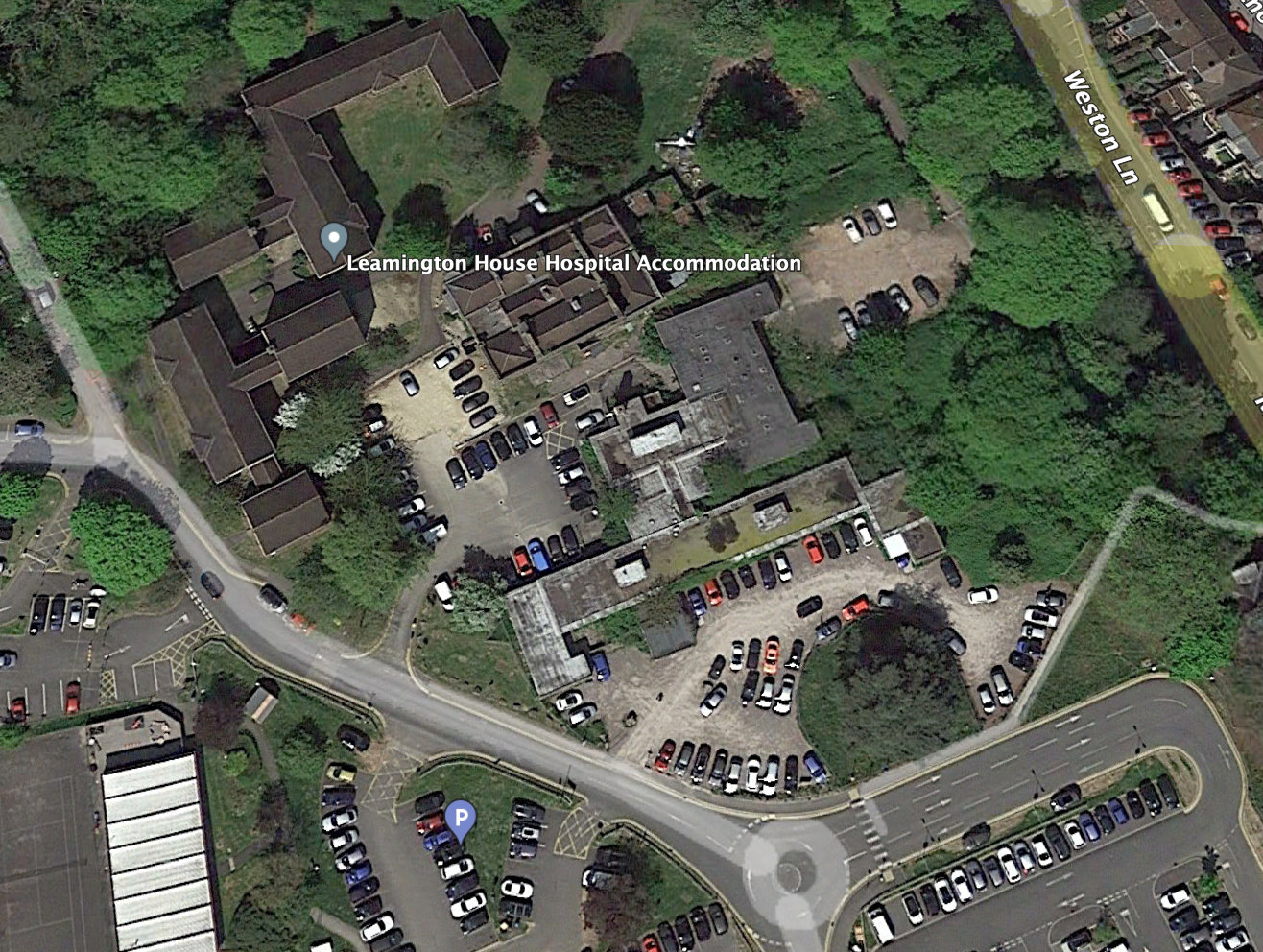

The answer appears to be this:
Big employers have no plans to reduce private car use.
That may come as a surprise, and it is certainly something I had not really twigged until recently. But by focussing plans almost entirely on the emissions from vehicles, big institutions can have their cake and eat it. They can meet their targets whilst not reducing vehicle numbers at all.
Big institutions divide their emissions into 3 ‘scopes’, emissions from commuting falling into ‘scope 3’, thus:

The below extract is taken from the grandly named ‘Masterplan 2021- Transport Statement’ for Bath Uni:

It basically says they are going to measure success solely on emissions when it comes to commuting. The average age of a vehicle in the UK is 10ish years (depending which sources you use). So the transition to EVs means success is pretty straightforward. Throw in a bit of carbon ‘off-setting’ perhaps… job done by 2040!
Or is it?
The trouble is, vehicles have a range of externalities, and tail pipe emissions are just one. Others include:
- They kill people (1,700 per year)
- They seriously injure people (28,000 per year)
- They take up public space that could be used for other purposes
- They make noise and cause vibration
- They contribute to sedentary lifestyles
- They cause community severance
- They cause wear and tear of road surface and structures
and one massive and often overlooked one:
- Opportunity cost to other people
That is, if one destination generated 3000+ vehicles movements per day (and that is a very conservative number for return journeys to Bath Uni/RUH), that has a direct bearing on the opportunity afforded to other people to use other modes on the routes of those vehicles.
The number one reason people give for not wanting to use modes of active travel is they do not feel safe. And it is almost exclusively vehicles that make people feel unsafe on the road. Anyone who has been close passed or aggressively tailgated on a cycle will attest how unpleasant it is. And of the 1,700 killed on the road every year, around 400 are pedestrians- so not even in a vehicle. All the below images are from Bath.


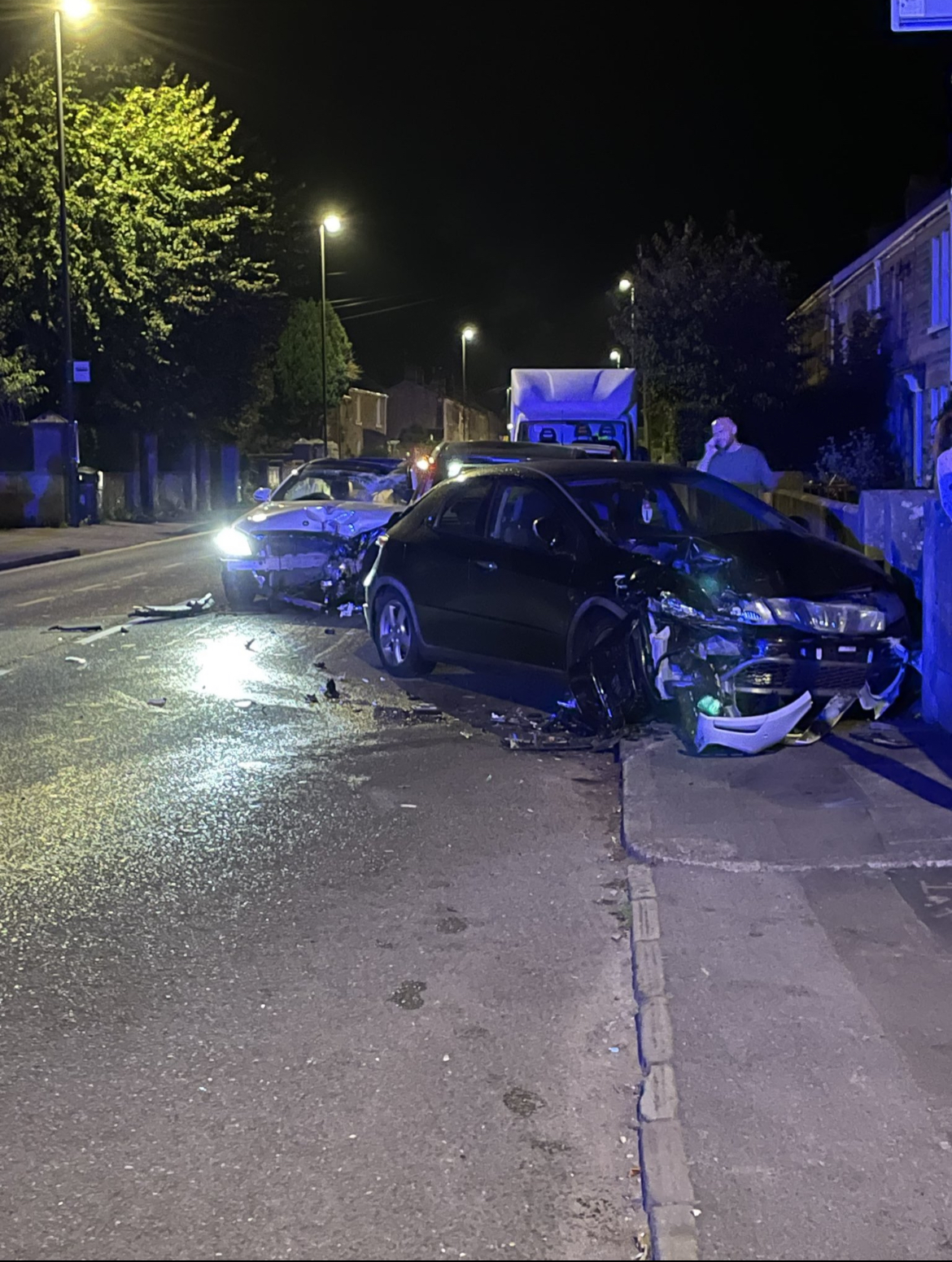


And our large institutions contribute a massive number of vehicles to our roads. It has been calculated that at peak times 40% of vehicles passing over Cleveland Bridge are connected to Bath Uni.
During the evening peak the buses leaving the RUH site and trying to make progress toward the Windsor Bridge junction on the A4 are delayed by the big queue of motor vehicles that have poured out of… the RUH!
So we have a big issue here. With no plans to reduce parking supply big institutions simply envisage a future when we electrify the setup we have today and… and nothing. That is it. So what we can look forward to is people being bullied off the road by quiet vehicles. Quiet traffic jams. Our road surfaces quietly worn out at massive expense to the taxpayer- a growing concern given Vehicle Excise Duty (aka ‘road tax’) is calculated on emissions.
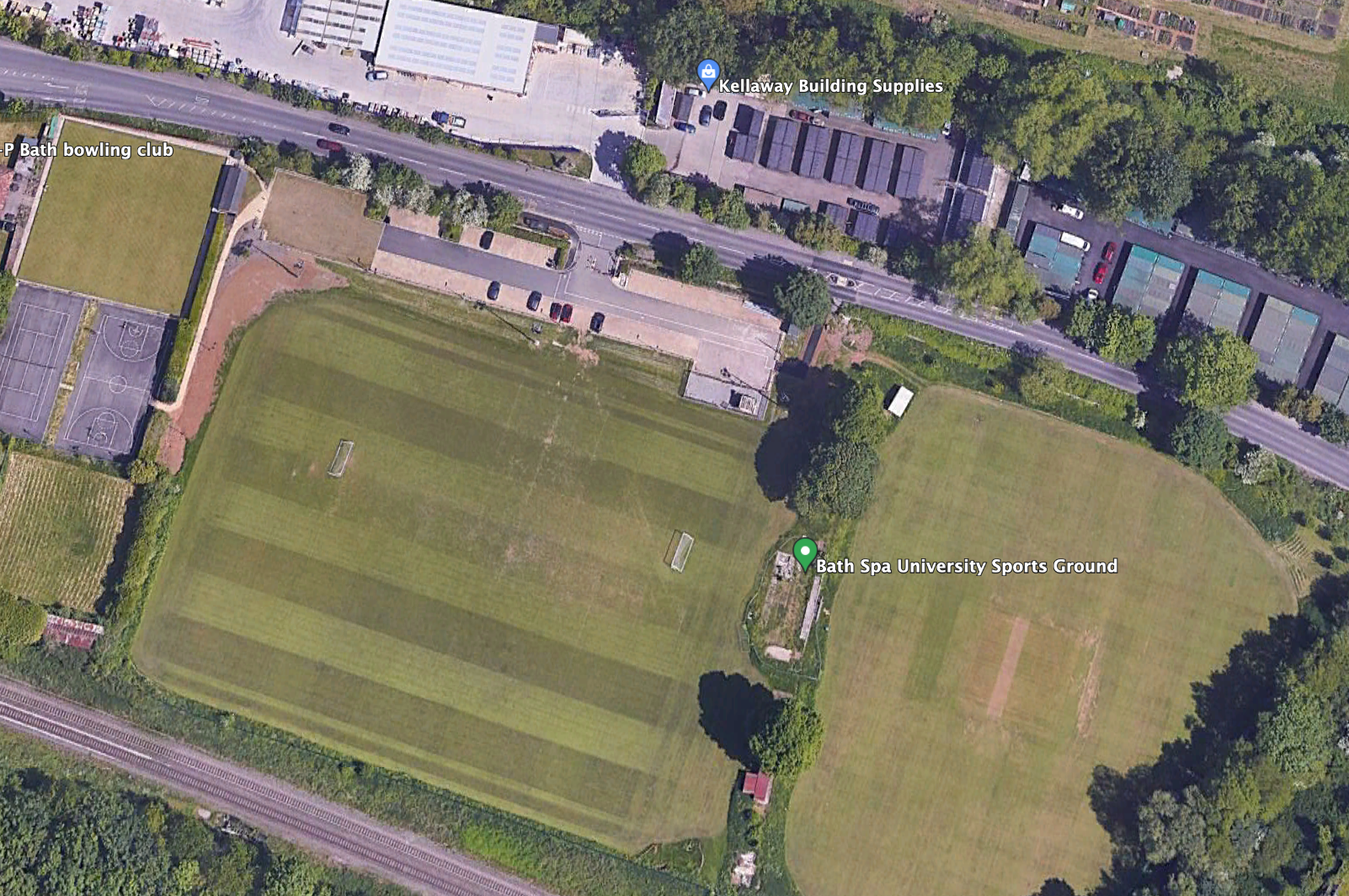
Bath Spa Uni has been getting in on the act too. In 2018 they paved a portion of playing fields at Twerton Fork to provide a kind of ‘park and ride’.

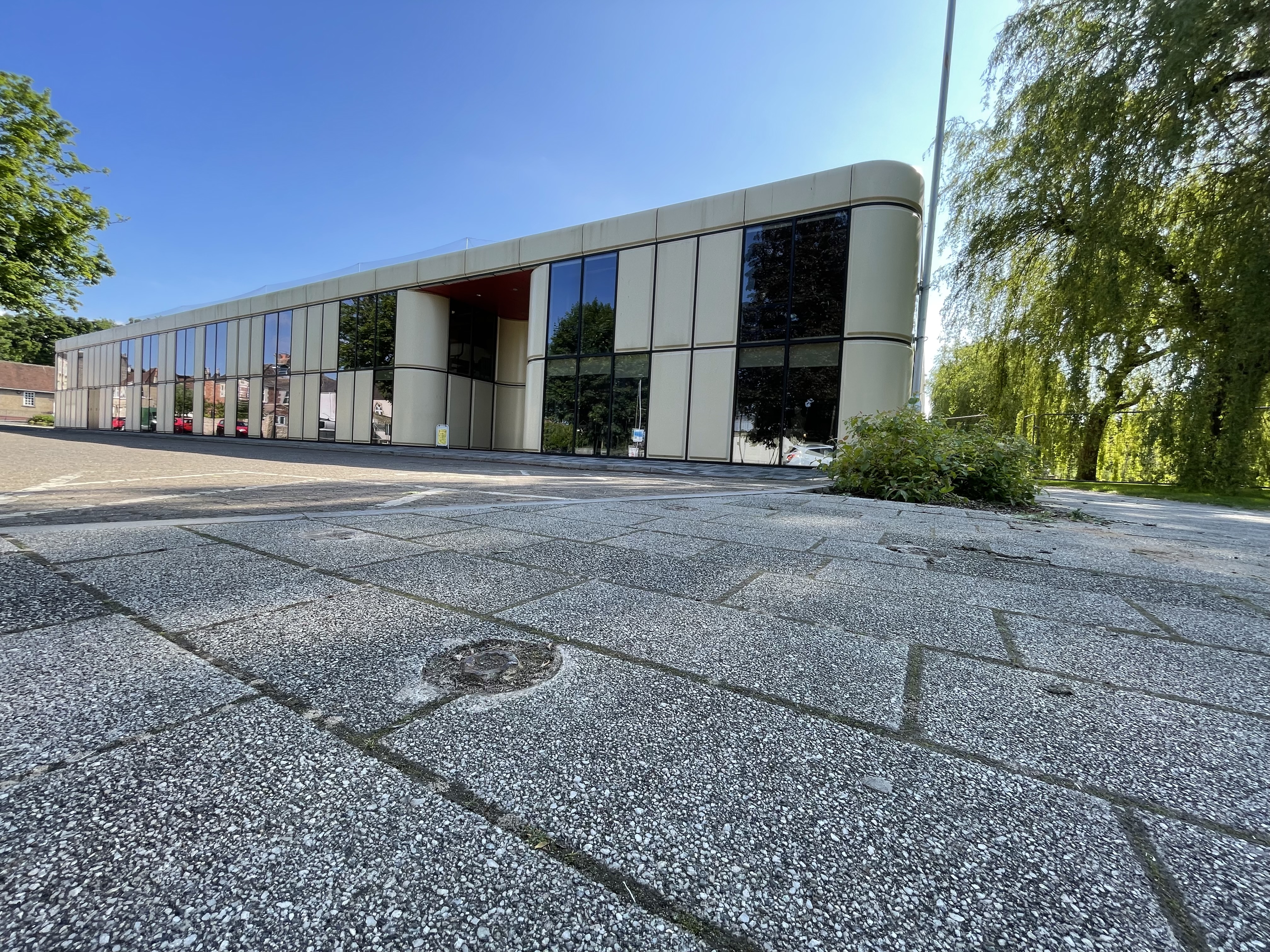
But to be fair to Bath Spa, they did reduce some parking at their Locksbrook Road site. They cut down all the bike stands at the front of the building. Actions speak louder than words…

And it is not just the ‘biggies’. All over Bath employers have added spaces here and spaces there, with big cumulative effects. Rotork on Brassmill Lane expanded their parking provision in 2021 adding dozens of extra spaces (irony alert- the carpark is used at the weekend by people teaching their children to cycle)


There is one interesting outlier- Wessex Water. In the past 20 years, their onsite provision of parking appears to have hardly changed. Could their funding of a staff bus have something to do with that?

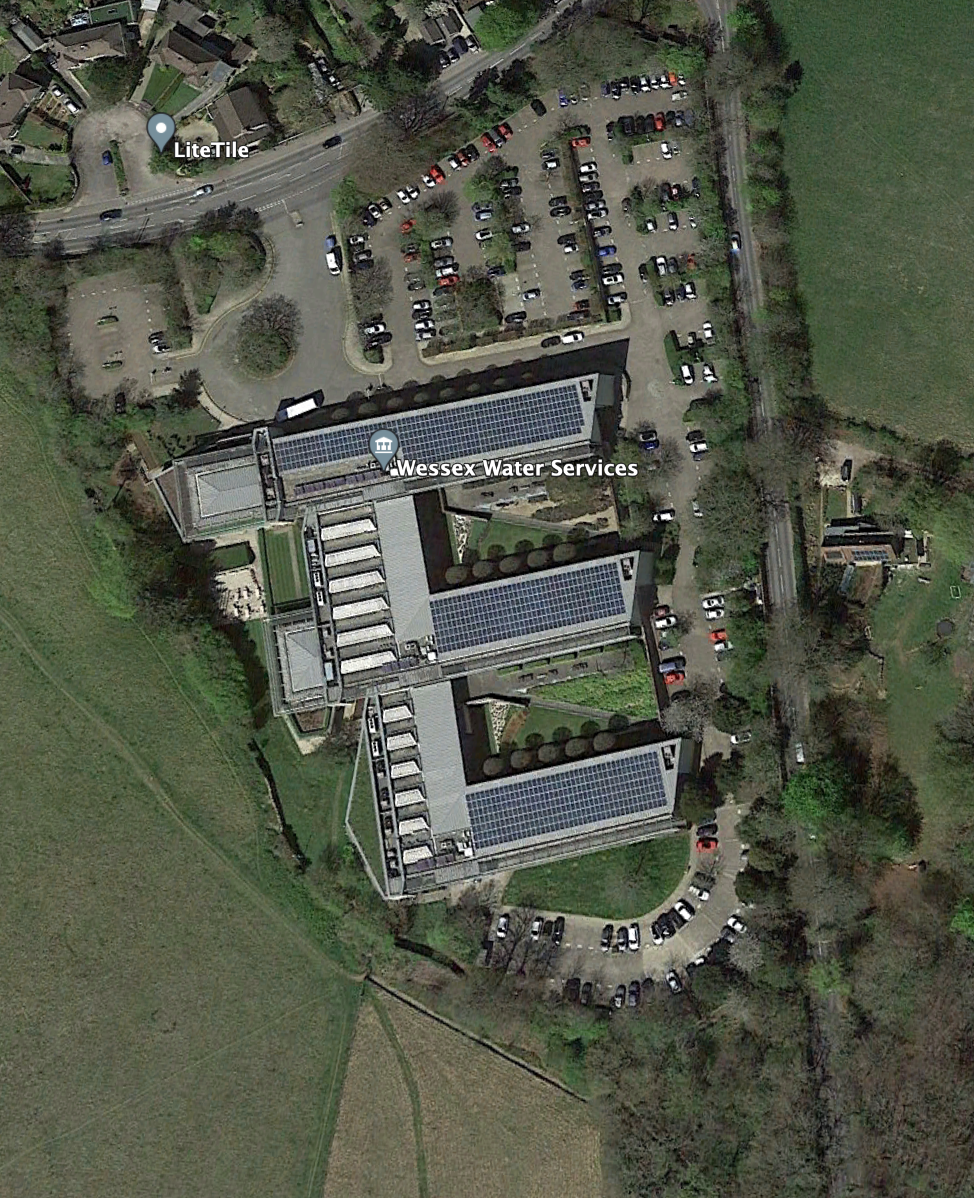
Overall, it is starting to become apparent that by focussing almost exclusively on tail pipe emissions we are in a place where employers can claim to be doing something whilst delivering almost nothing. The odd poster and a cycle-to-work scheme seems to be about the sum of most institution’s efforts. And surprise surprise, charging 62p per day to park is not a massive disincentive (that is at Bath Uni- but expensive compared to the RUH who offered free staff parking for the 4 years up to May 2024).
If employers have no plan to reduce parking provision and thus private vehicle use, the question we are left with is this:
Who does?
Links:
Bath University Masterplan 2021 – Transport Statement
Bath Spa University 2017 Travel Plan (most up to date publicly available)
RUH Non-Patient Travel Plan 2020-2025
Clean Air Action Plan of which the RUH are a signatory
 walkridebath.org.uk